

BRIEF
The release of the Pixar film WALL·E in 2008, portraying a small robot assisting humanity in saving the Earth, alongside the global food price crisis of the same period, inspired me to focus my diploma thesis on precision farming and automated agriculture.
The project:
The comprehensive research included several interviews with farmers as well as professors specializing in robotics and agriculture. These interviews provided insights into conventional tools and machinery, work processes, technological innovations, the future of viticulture, as well as existing challenges and potential opportunities. A subsequent evaluation and assessment of the collected data and information led to the conclusion that, compared to arable farming, viticulture is characterized by a relatively low level of technological implementation while simultaneously requiring a very high amount of manual labor. As a result, the idea of designing an agricultural robot specifically for viticulture was conceived.
Design Process
Analysis
Field roboting
Through interviews with students and professors specializing in field robotics, all necessary information on the technical components required for an agricultural robot to operate in the field, including sensors, 3D vision systems, battery systems, data‑processing units, and software solutions were gained.
Viticulture
Discussions with farmers provided insights into the various tasks, workflows, and potential challenges involved in viticulture.
Ideation
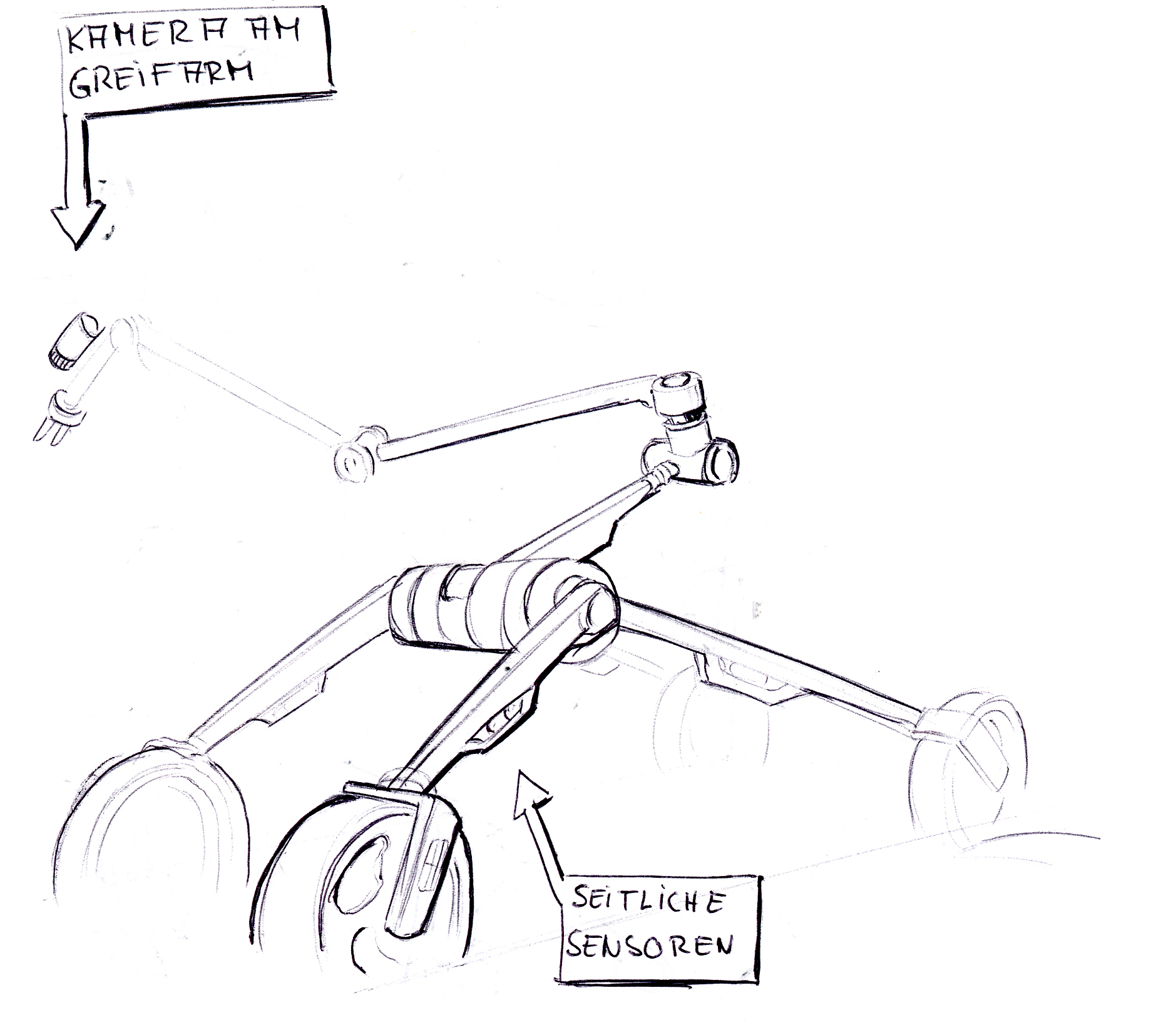
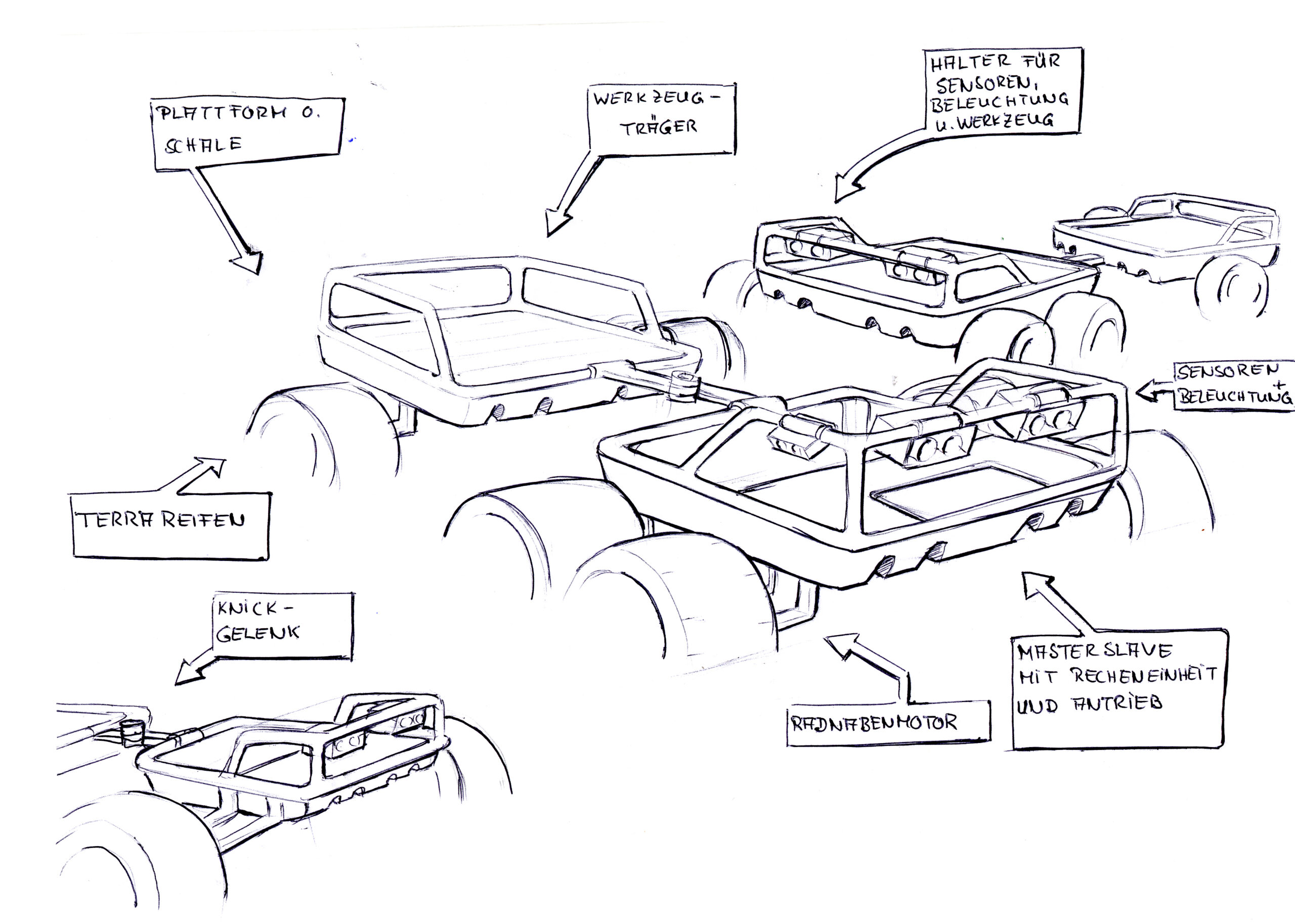
Concept Sketches
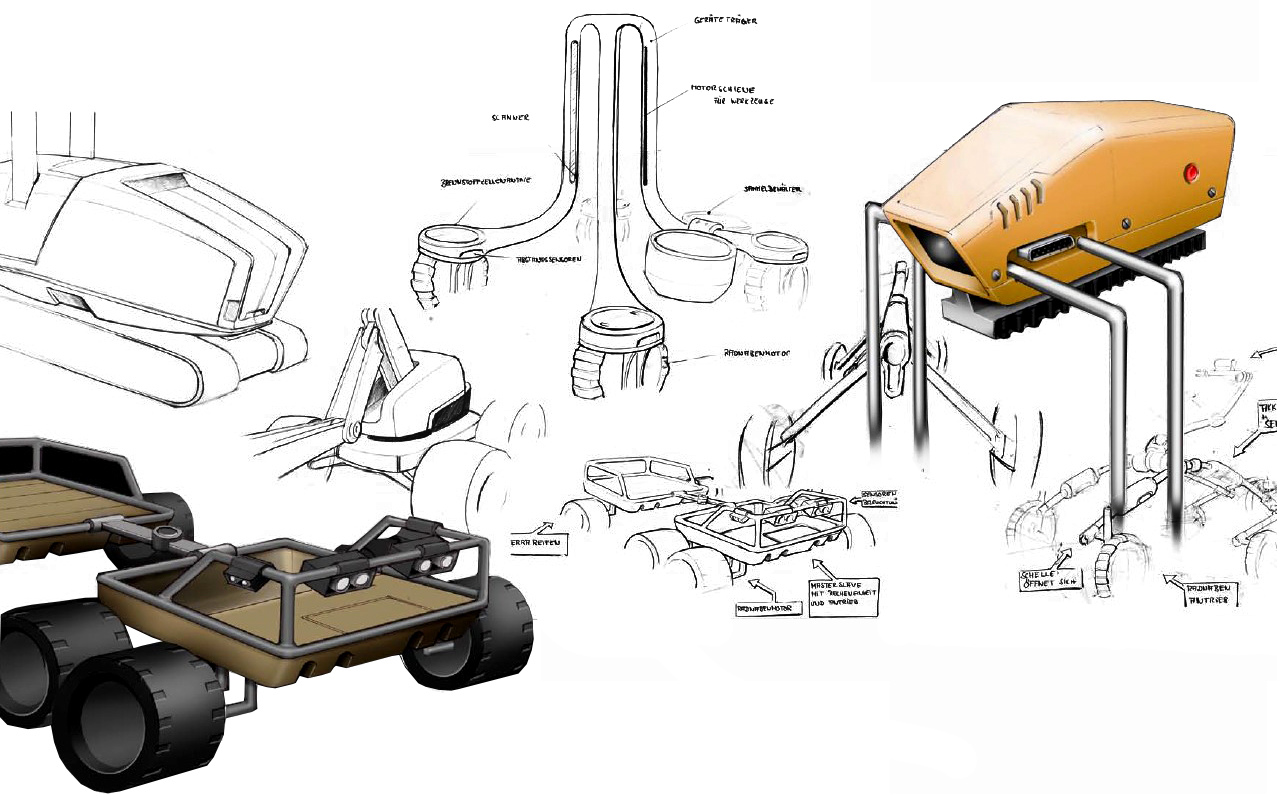
Modelling
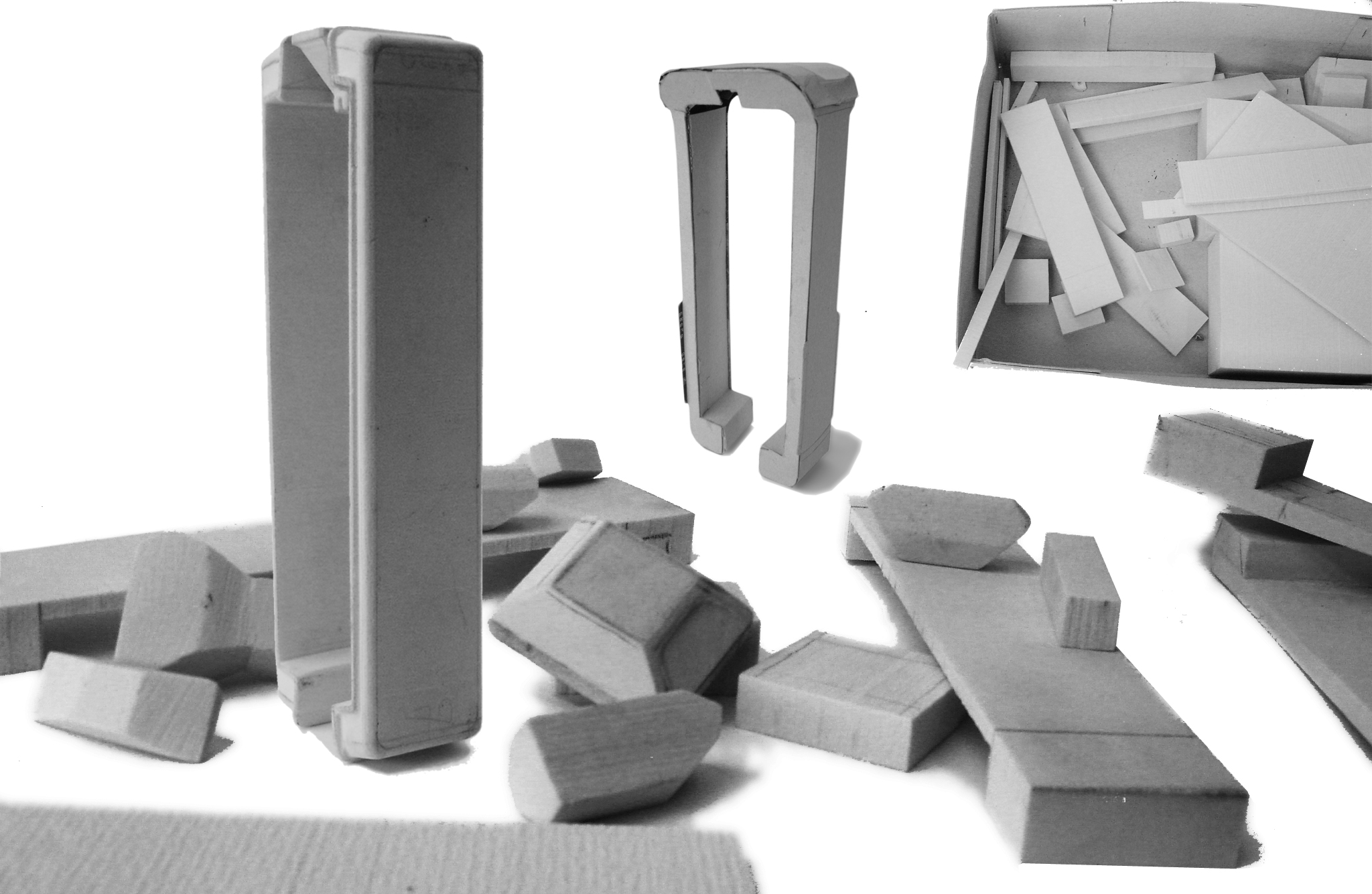
Workshop Mock-ups
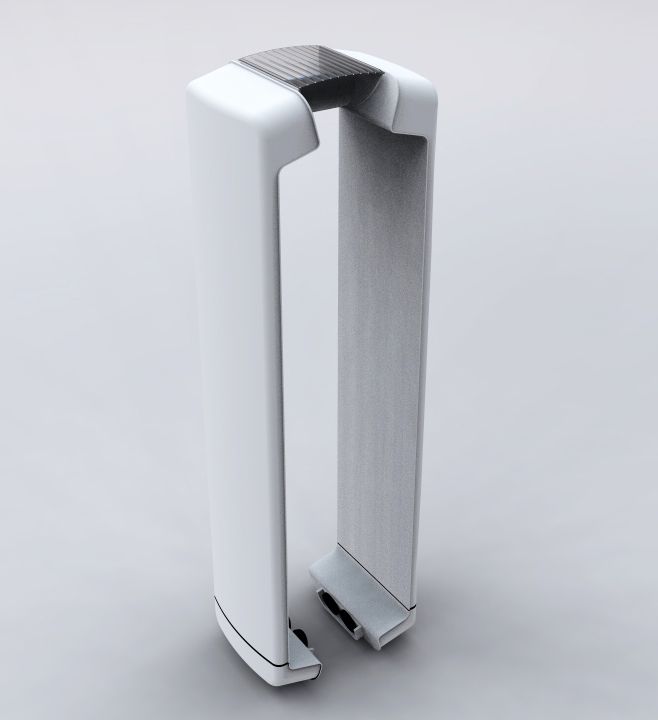
CAD Ideation
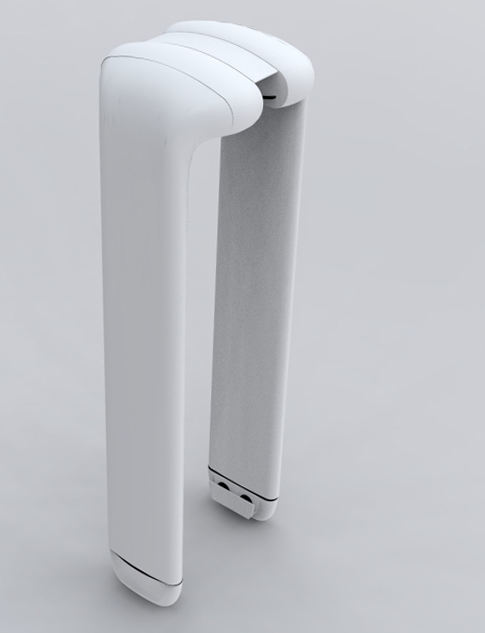
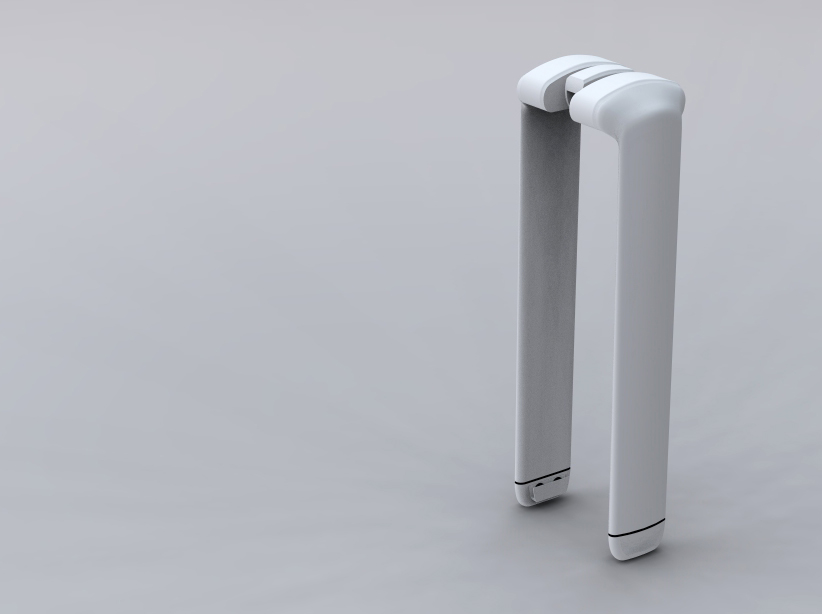
After the appropriate proportions for the robot had been determined,
CAD Ideation
After the appropriate proportions for the robot had been determined, the further development of the design was carried out using CAD.
Detailing of Co.boter
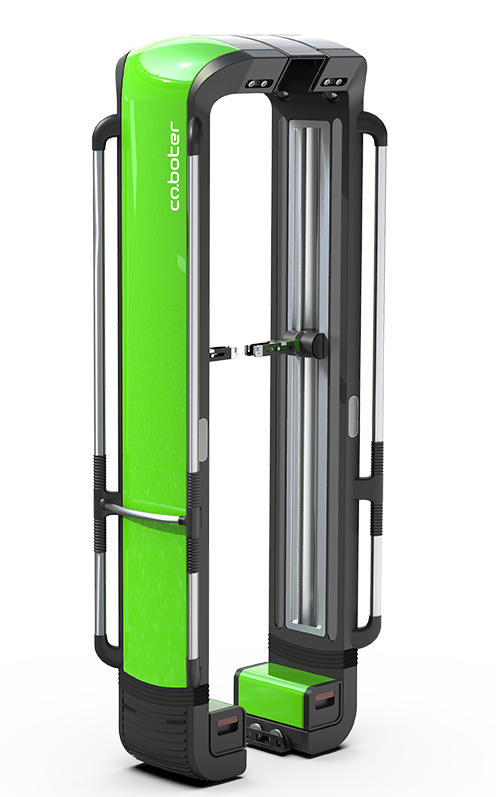
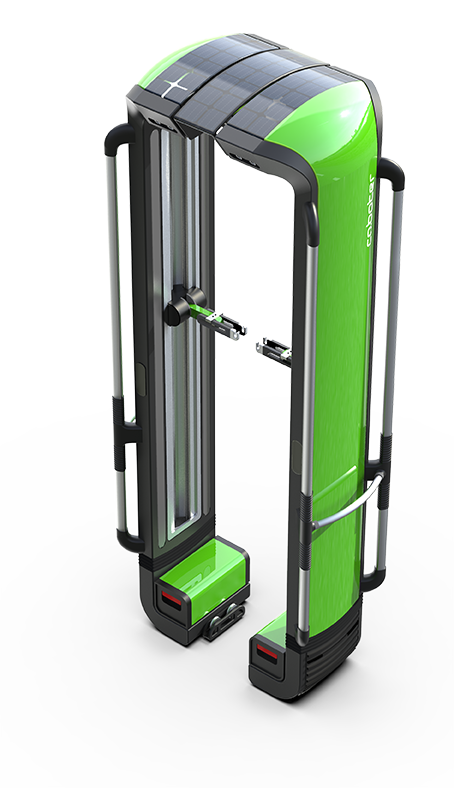
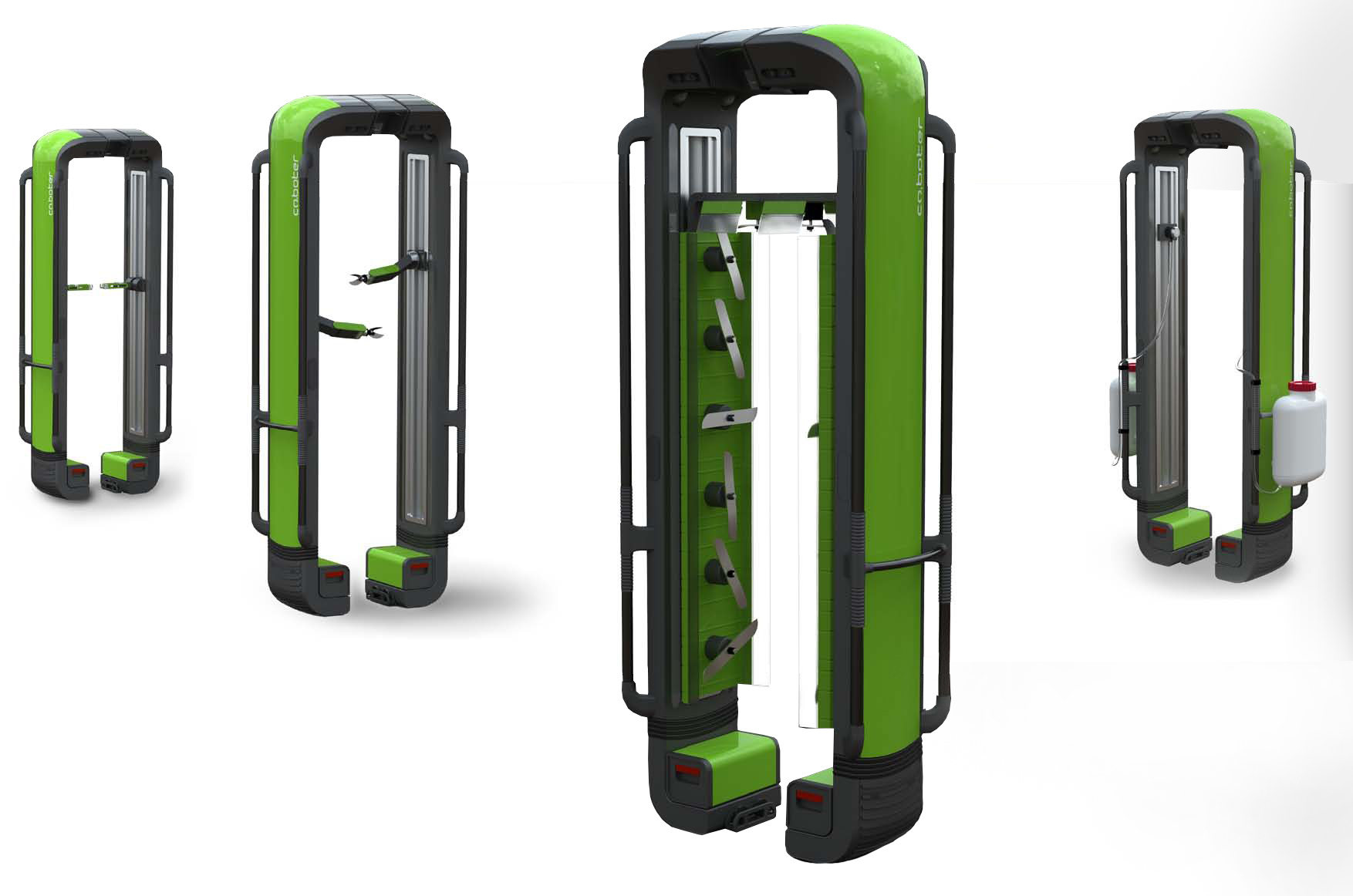
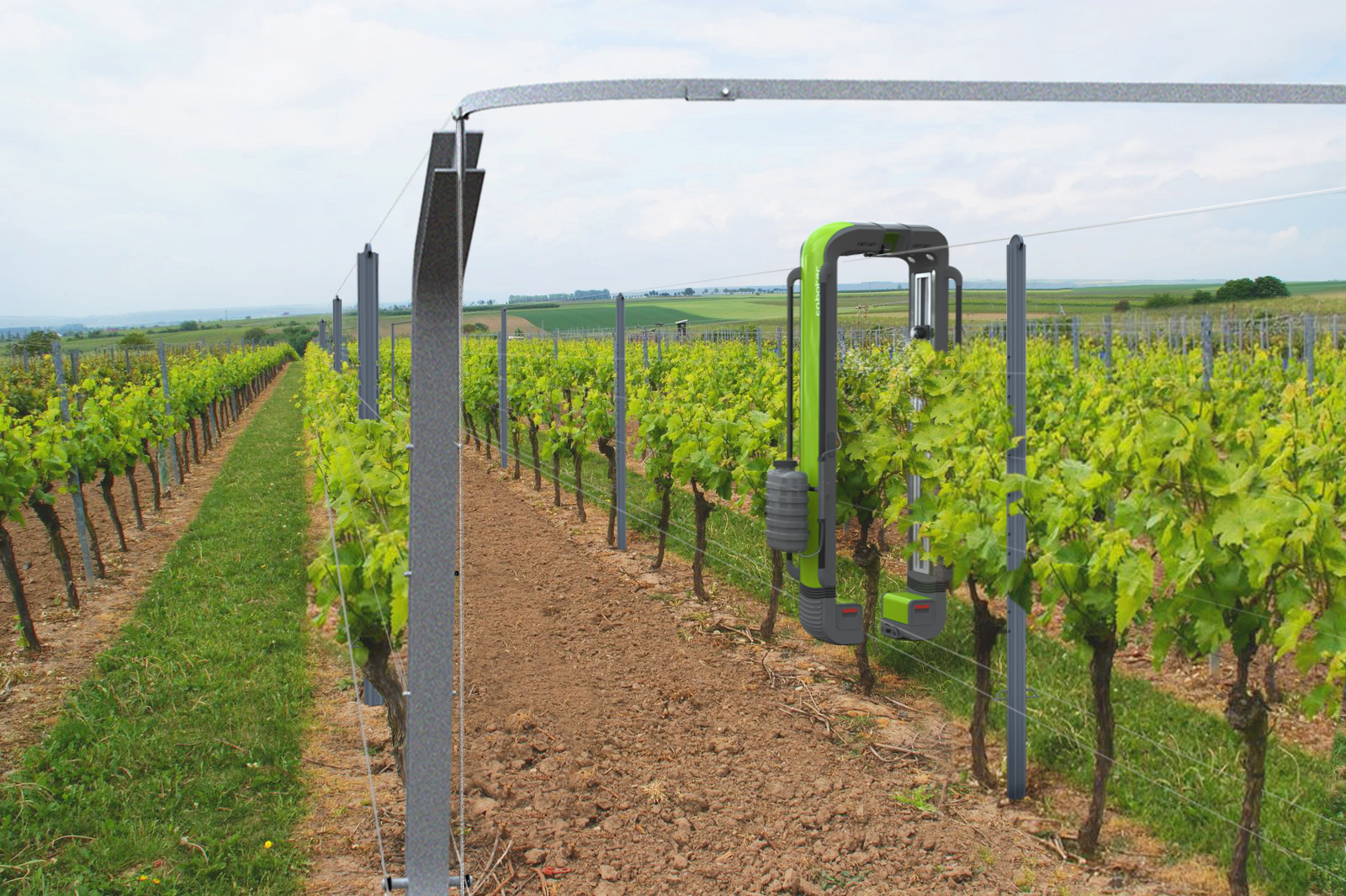
Co.boter, as implied by its name, serves as an assisting system for the farmer. It is equipped with a variety of sensors and a custom‑developed tool guidance system, allowing it to carry out tasks such as crop assessment, shoot positioning, spraying, and leaf pruning.
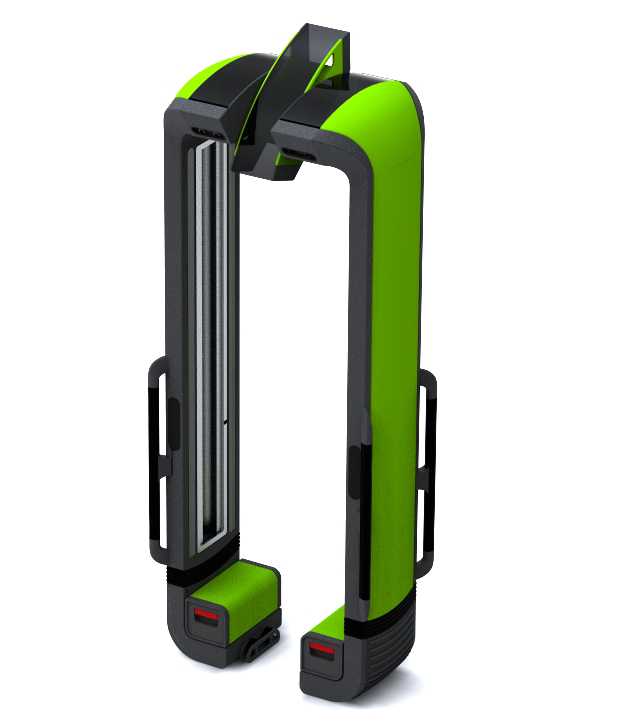
The robot is equipped with a sophisticated guidance system that enables it to operate on steep slopes and compensate height differences.
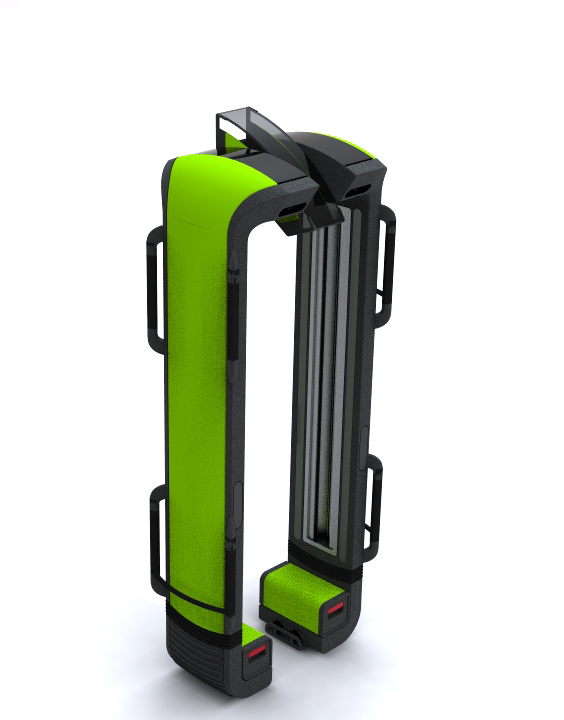
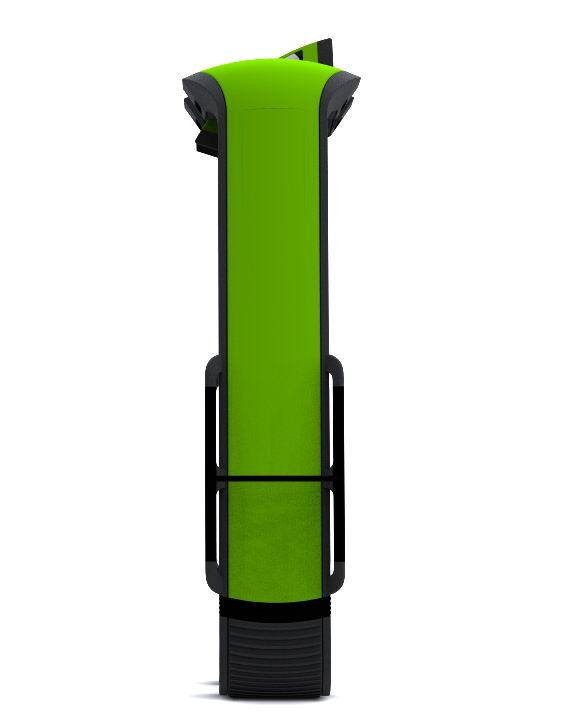
The system is powered by high‑performance lithium‑ion battery packs that can be exchanged or recharged via a dedicated charging station.
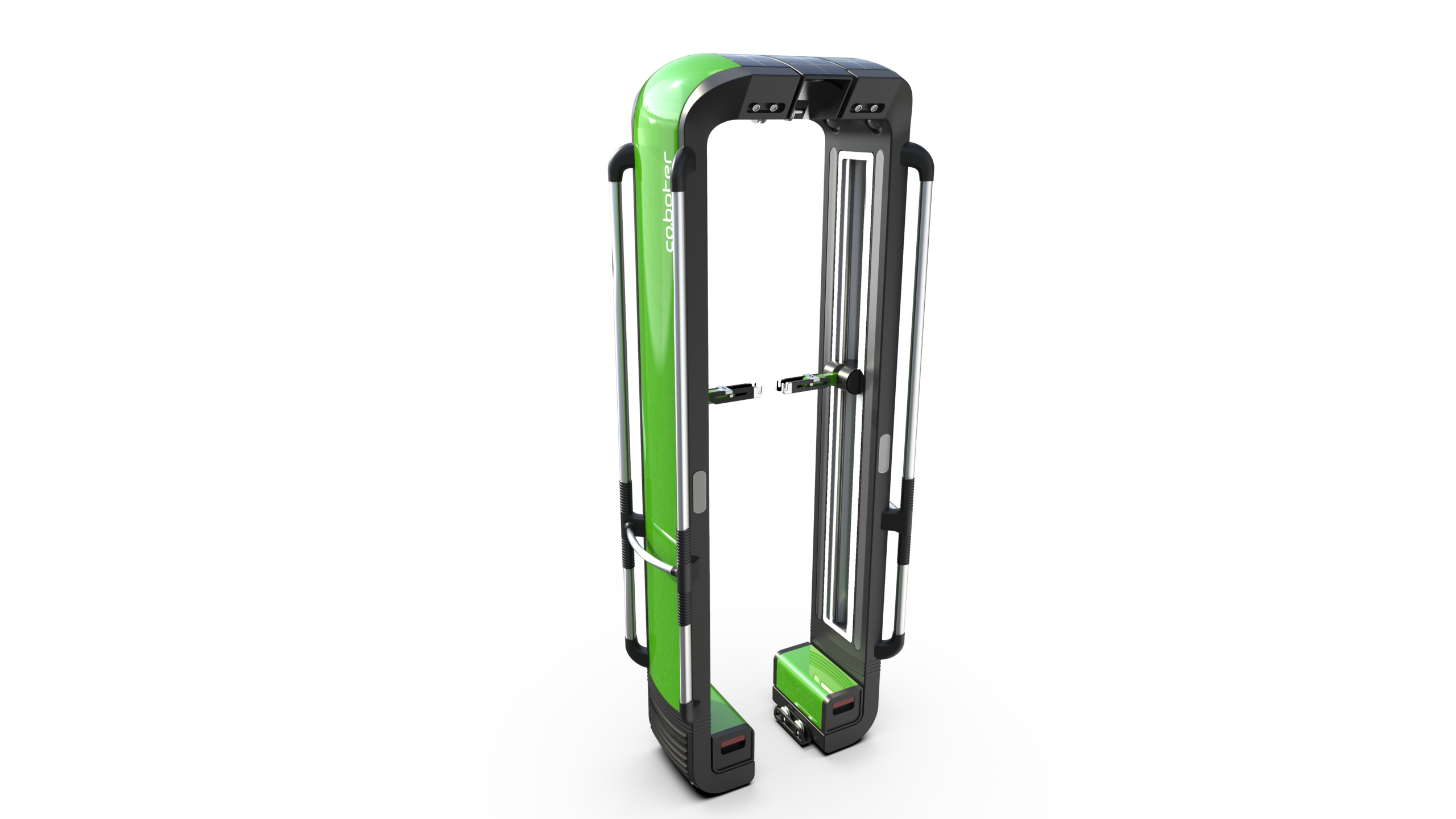
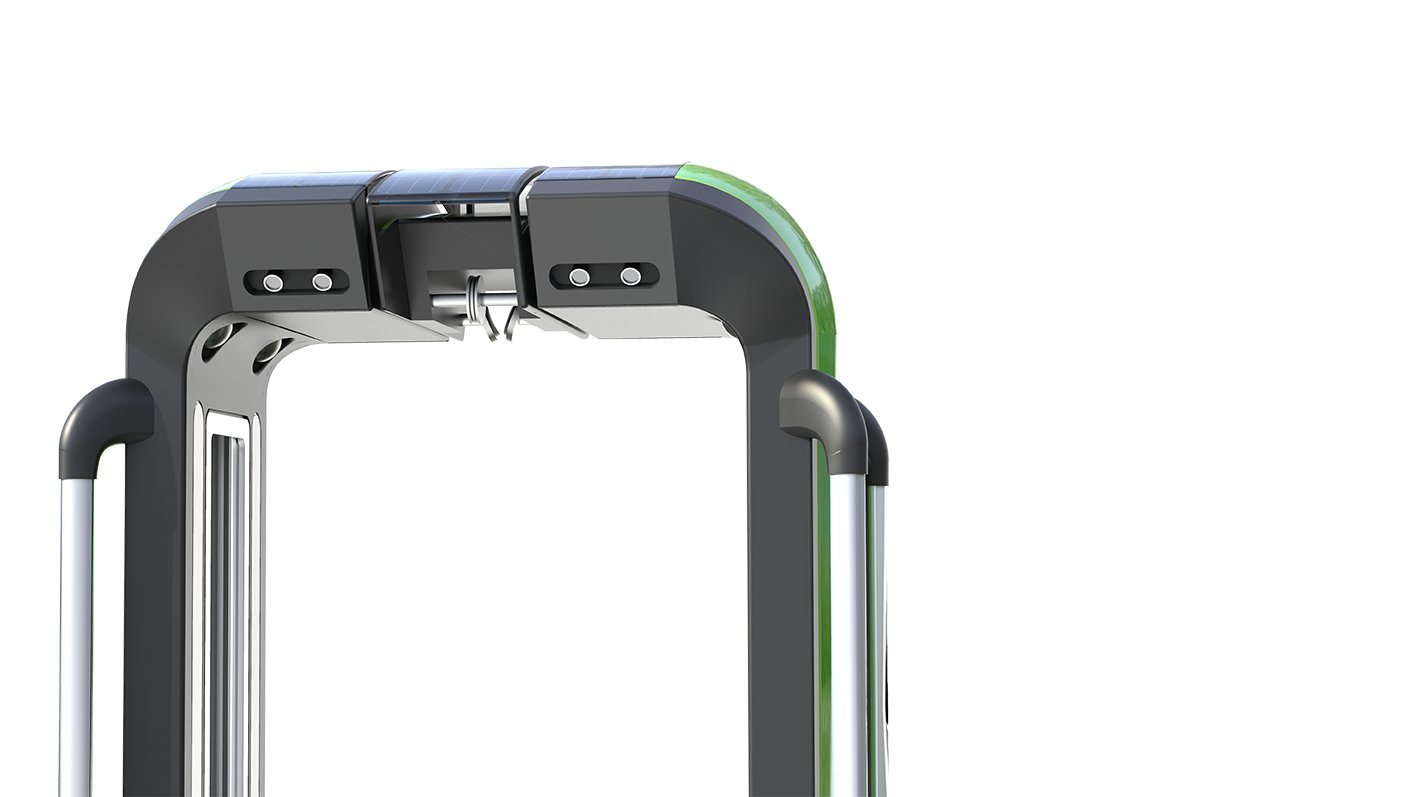
Using 3D cameras and color sensors, the robot is able to detect pest infestation as well as deficiencies in water and nutrients. Motion and distance sensors support obstacle detection and enable the execution of cutting tasks on the vine.
Final Design of Co.boter
Detailed definiton of technical components
Realization
The system is powered by high‑performance lithium‑ion battery packs that can be exchanged or recharged via a dedicated charging station.
The robot is equipped with a sophisticated guidance system that enables it to operate on steep slopes and compensate height differences.
Summary Co.boter
The design investigated how autonomous field robotics could be communicated in a manner that feels both innovative and familiar. Functional requirements such as weather protection, robustness, low weight and component integration defined the product architecture, while established visual cues from agricultural machinery supported orientation and trust. The resulting design language uses recognisable signs of function and technological capability to make complex systems more accessible. Sensors, structural elements and functional modules become visible parts of the product identity, communicating precision, intelligence and reliability while maintaining a clear connection to the context of agricultural work.
Add-ons
Ideation drive way
3d-Model
Diploma Thesis Presentation
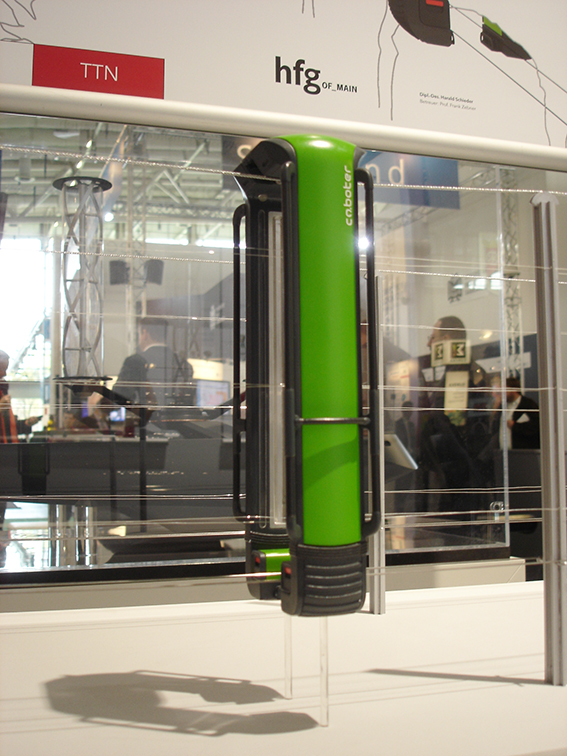
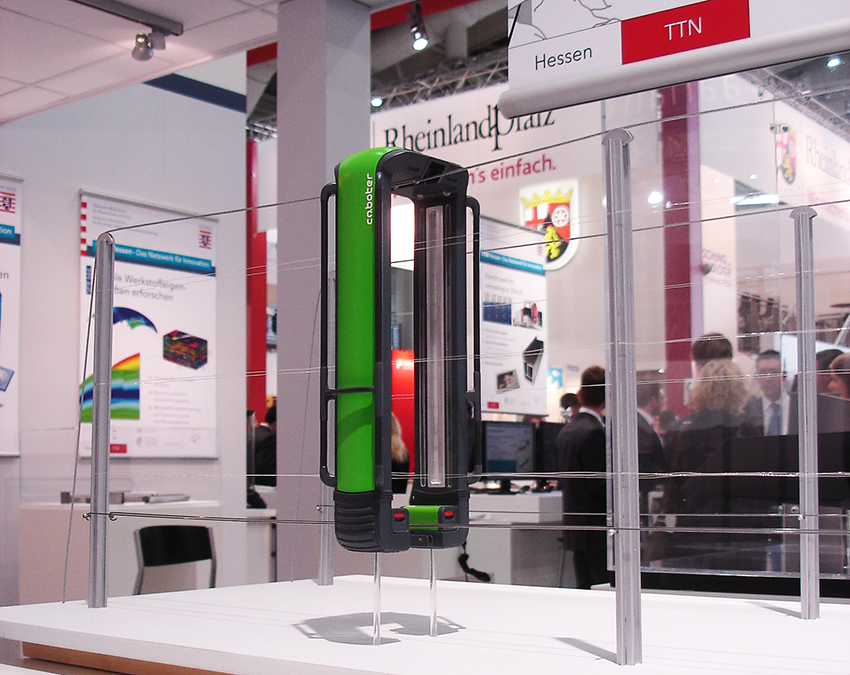
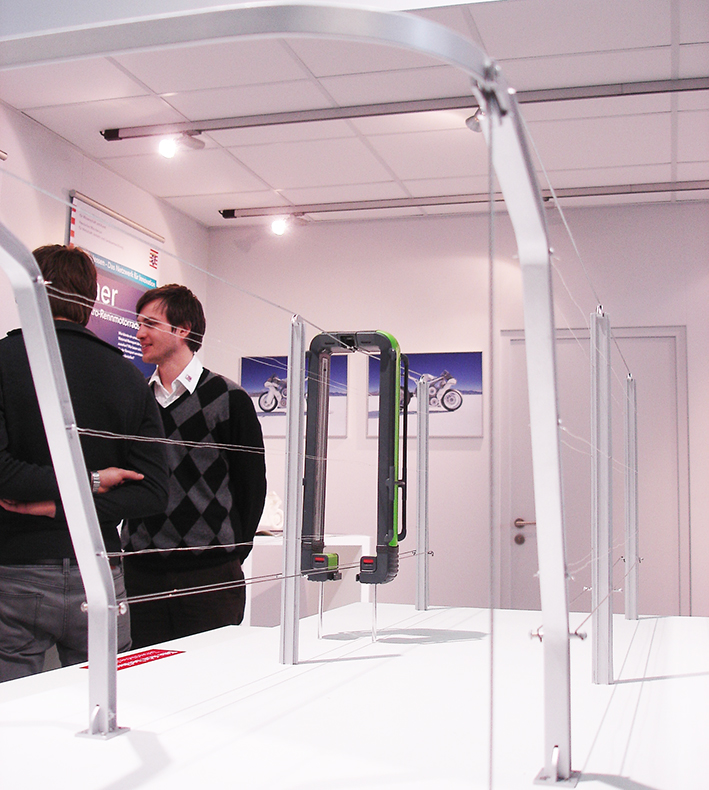
The results of my diploma thesis were ultimately presented in the form of a 1:10 scale model of the robot, including the specifically developed pathway system.
Hannover Fair
Additional exhibitions followed, among them the Hannover Fair 2010, where the work received very positive feedback.
Phone
(+49) 160-5189458