– EUROFOLD
BRIEF
With the reform of the German Heating Act in 2024 and the associated subsidy programmes for sustainable heating technologies, demand for heat pumps has increased significantly in recent years.
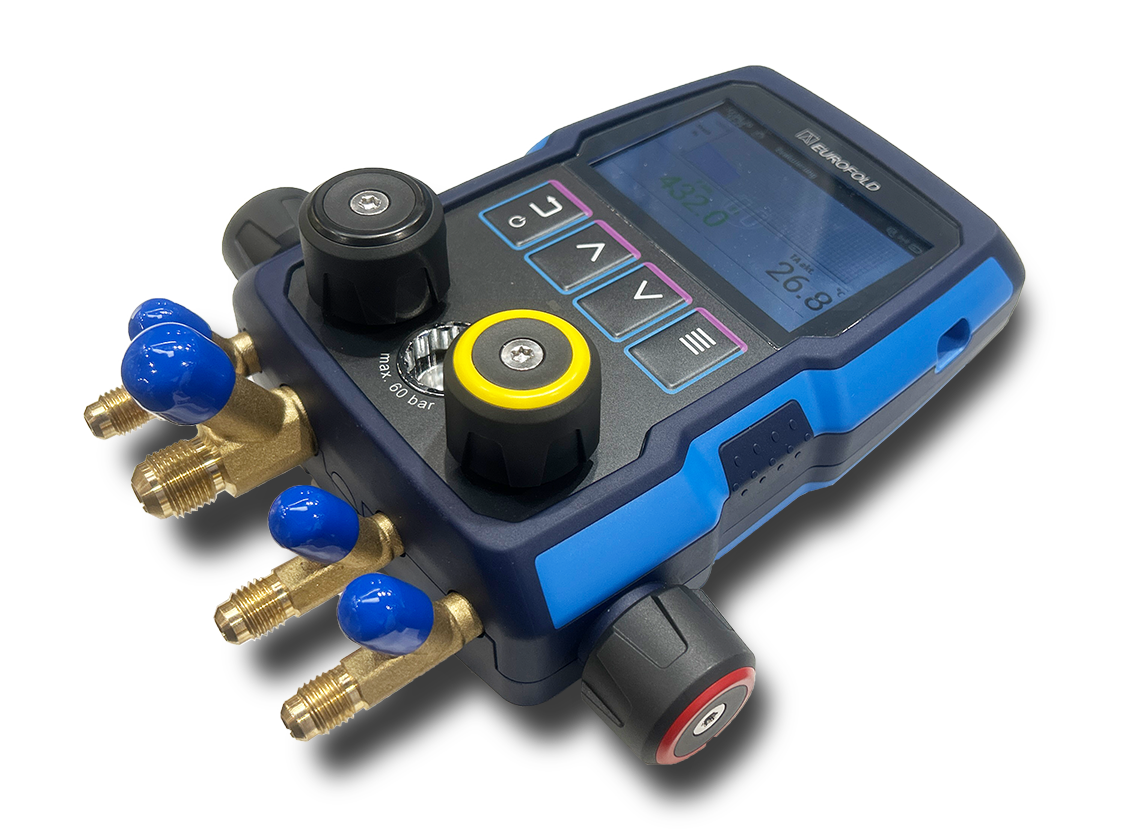
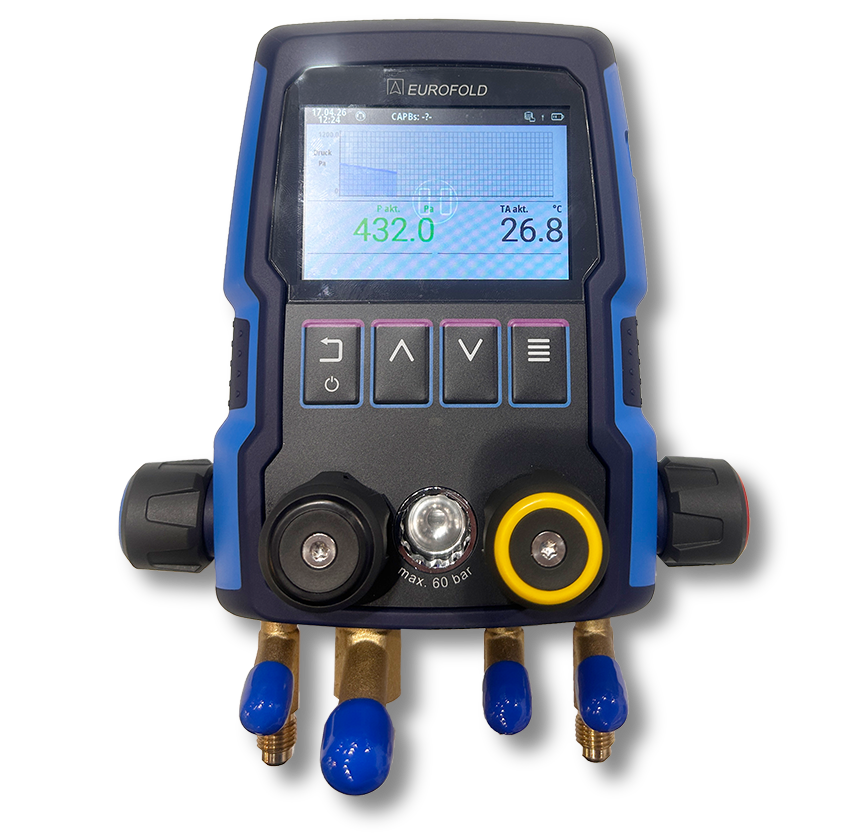
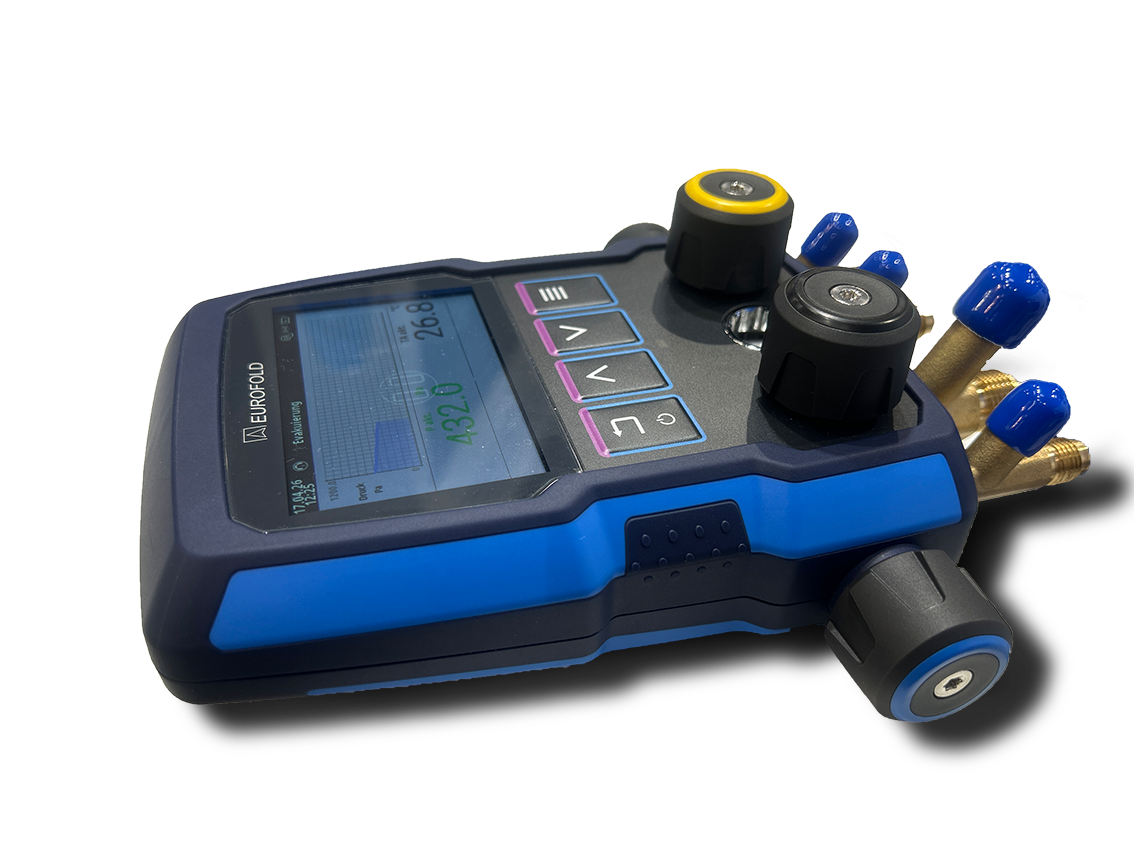
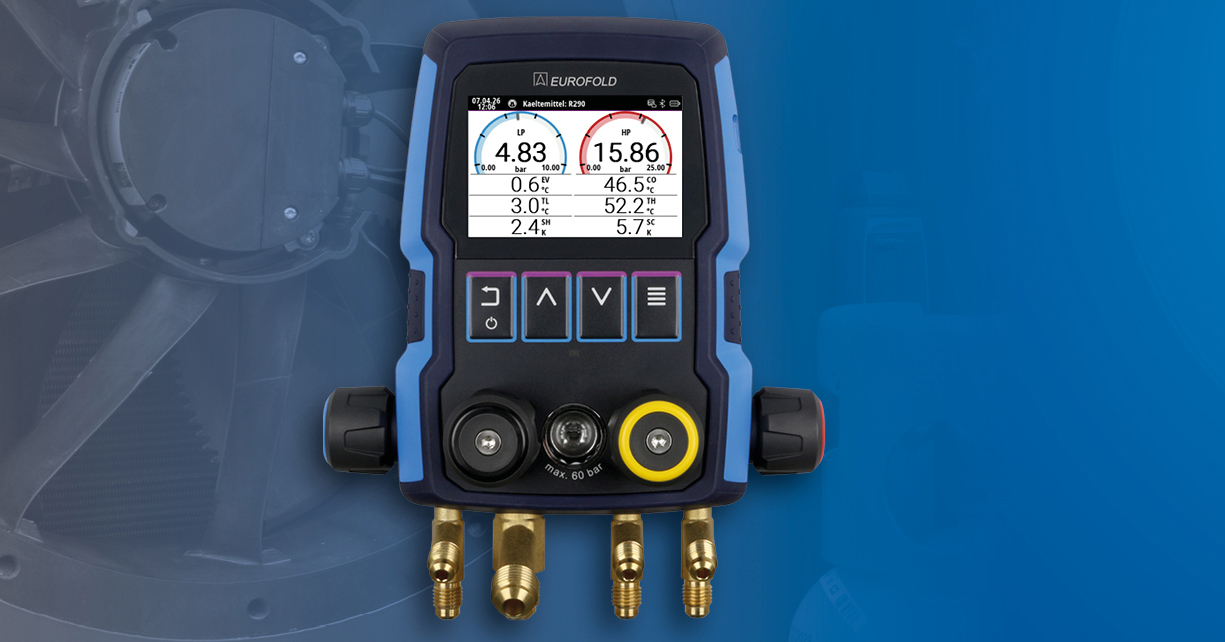
Like all heating systems, these units should undergo annual maintenance. In response to this market development, our client AFRISO EURO INDEX developed its own measuring device, the EUROFOLD® M4, for the maintenance and calibration of heat pumps.
DESIGN PROCESS
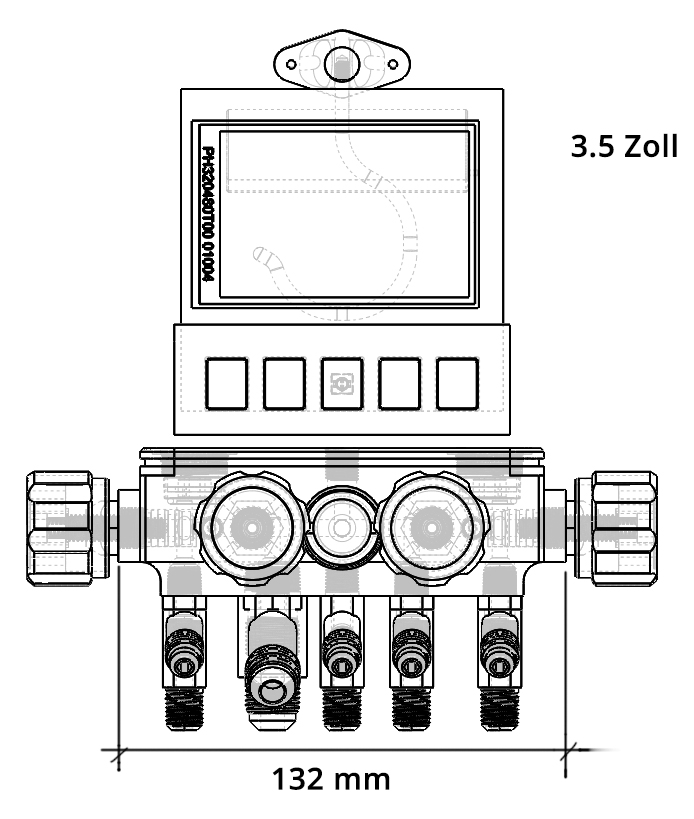
AFRISO EURO INDEX provided 3D models of the handle, the device, the transmitter, and all the different measure-units including the complete built-in technology.
The CAD data of the internal components and their arrangement as intended by the client served as the starting point for the future design, along with two competitor products provided as reference samples for visual assessment and ergonomic studies. A detailed briefing on the product’s functionality and handling followed.
ANALYSIS
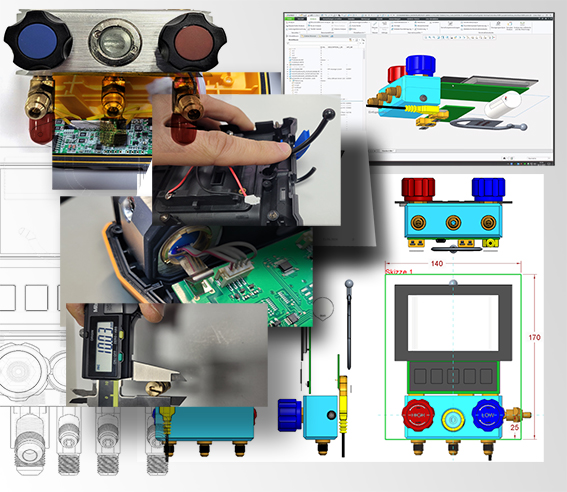
The analysis of the existing CAD data and competing products revealed the aluminium measurement block as the dominant functional element of the product architecture. As the central interface for pressure and flow measurement, its dimensions and weight significantly influenced ergonomics, handling and overall product balance. The development therefore focused on integrating this technically defined component into a coherent design concept that combines functional clarity, ergonomic usability and a consistent product identity.
IDEATION
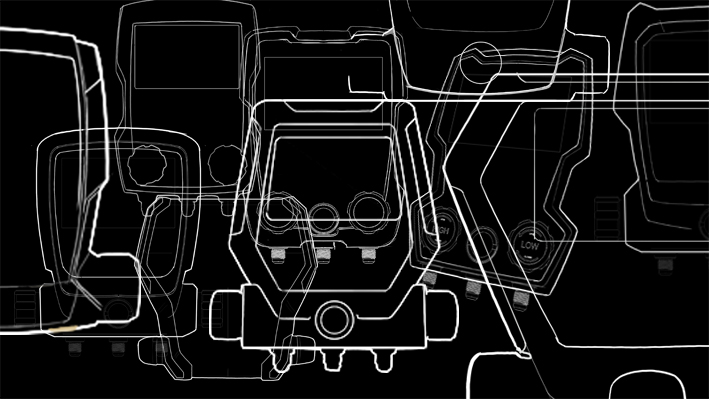
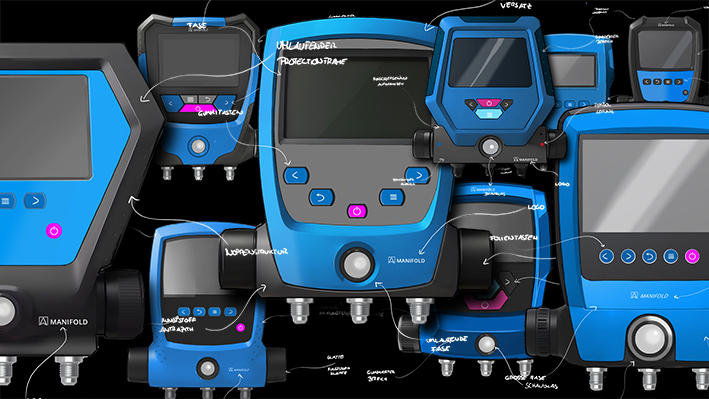
The concept phase explored different interpretations of how ergonomics, product semantics and family design could be brought into balance. The investigation examined how form, proportion and product architecture could support intuitive interaction, communicate quality and reliability, and establish a coherent relationship with the existing product portfolio. A central aspect of the development was the integration of the prefabricated aluminium measurement block, whose dimensions and functional requirements significantly influenced the overall product architecture, handling characteristics and visual balance.
VARIATION
Formal studies explored the role of the measurement module within the overall product architecture and product language. As the dominant functional component, its integration had a significant influence on product identity, visual balance and handling characteristics.
ITERATION
ELABORATION
TECHNICAL ISSUES
The design objective was to translate the highly specific product architecture into a product language that combines ergonomic usability with the formal principles of the established design DNA.
&
PRODUCT LANGUAGE
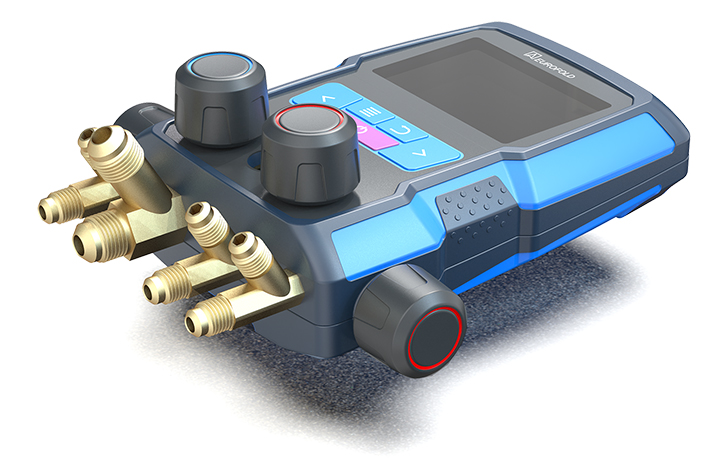
The project explored how the established product language could be interpreted and further developed within a contemporary context. Through the deliberate alignment of formal relationships, visual cues and semantic characteristics, the design establishes continuity across the portfolio while contributing to its ongoing evolution.
FINALISATION
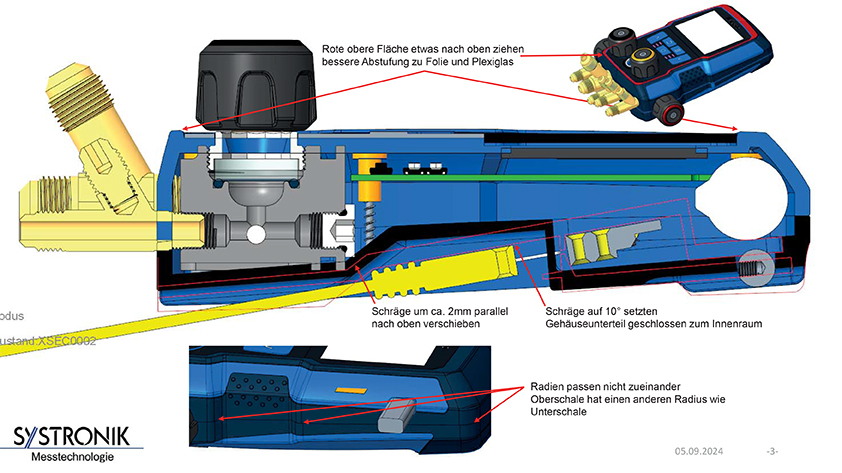
The project included the detailed development of function-critical areas, ensuring that technical and manufacturing requirements were resolved in a manner consistent with the product’s overall architecture, visual language and communicative qualities.
CONSTRUCTION
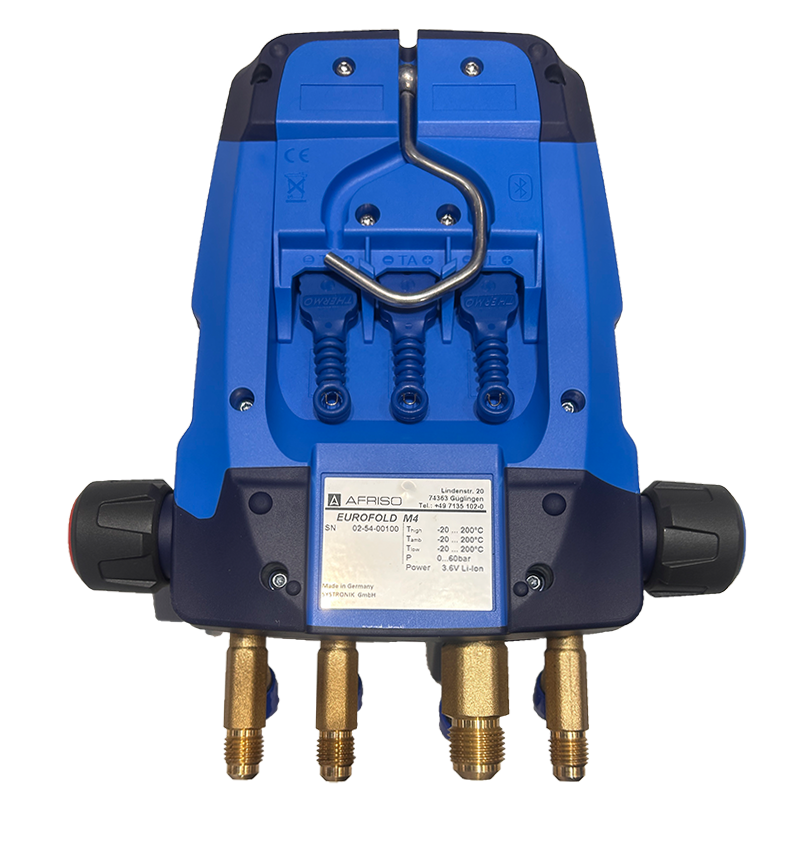
A space-efficient interface concept and a rotatable mounting hook were developed to support flexible positioning, immediate accessibility and a wide range of usage scenarios. The resulting solution strengthens usability and reflects the practical requirements of professional service and maintenance environments.
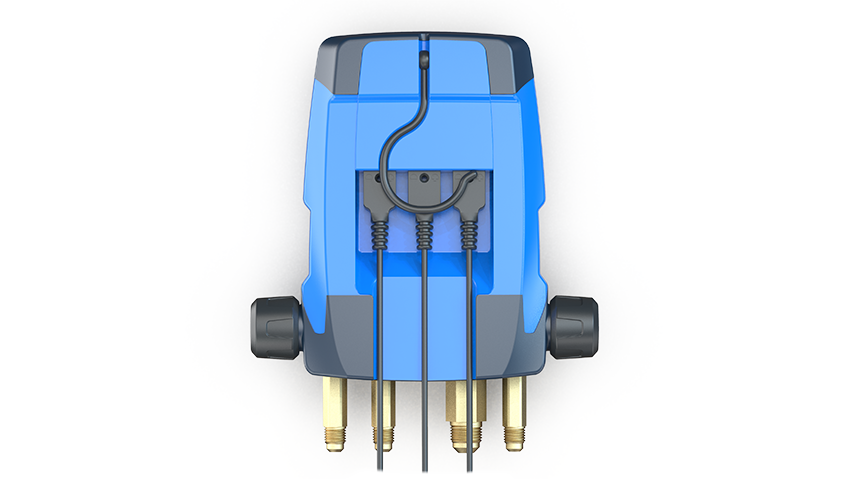
The development process culminated in a fully resolved CAD model, integrating design intent, functional requirements and manufacturing considerations into a coherent production-ready solution.
FINAL PRODUCT