
Bomag – BC 1173
Bomag – BC 1173
Starting with a minimum weight of 25 tonnes, ranging up to 55 tonnes and an engine output of almost 430kw, the waste compactors are among the heaviest and most powerful machines in the entire BOMAG product range.
BRIEF
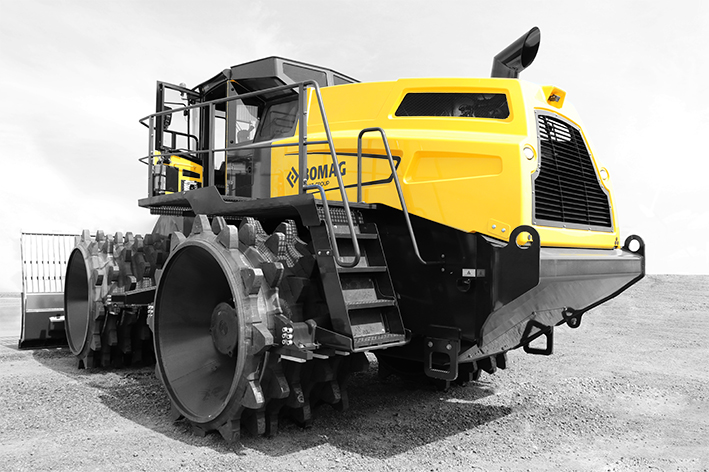
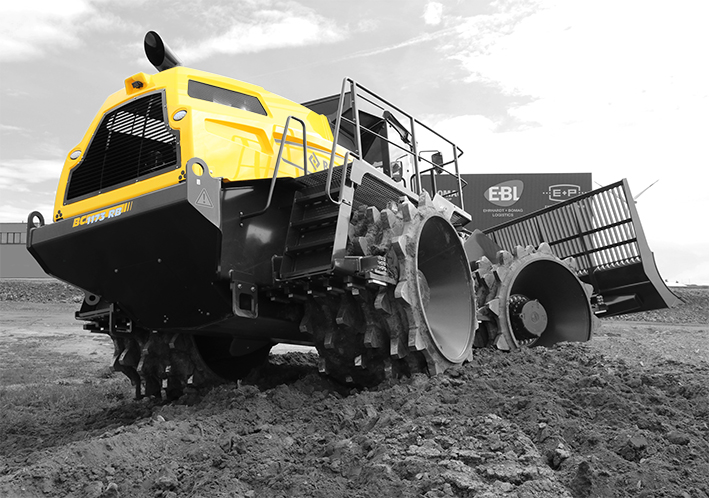
Without exception, all cladding elements of the previous landfill compactors were made of sheet metal and steel. This would change fundamentally. The bonnet, which is more than 4m long and almost 2m wide, was to be manufactured using the RIM process.
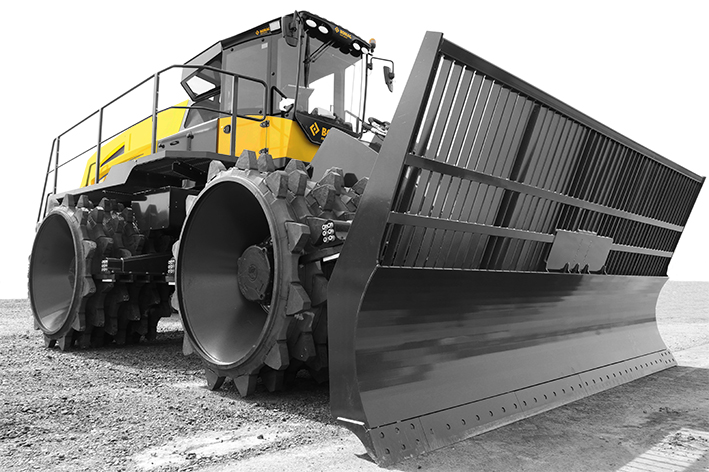
The cabin has been completely redesigned, and accordingly received a new interior and an additional impact protection on the outside. For the side worklight cladding, existing models were to be used, a front one had to be developed and designed separately.
The access and the working platform had to be adapted to the new design.
With the new series, many innovations have been integrated from a technical point of view. Of course, this should be expressed in terms of design. From an ergonomic point of view, an essential aspect of the design of the machine was to significantly improve the driver’s view to the front and especially to the rear.
IDEATION
Developing and designing a machine of this size and complexity is an enormous task and a lengthy process in which many people are involved. It takes place in different stages, some of them are several months apart and the development is costly.
The design development was based on a technically mature CAD model that already defined many of the machine’s critical parameters, including package dimensions, airflow requirements, visibility constraints, maintenance access and the established design DNA. Design therefore emerged within a highly constrained technical framework. The early integration of CAD into the development process enabled the continuous evaluation of technical feasibility, product architecture and formal quality, ensuring a coherent relationship between engineering requirements and design intent throughout the project.
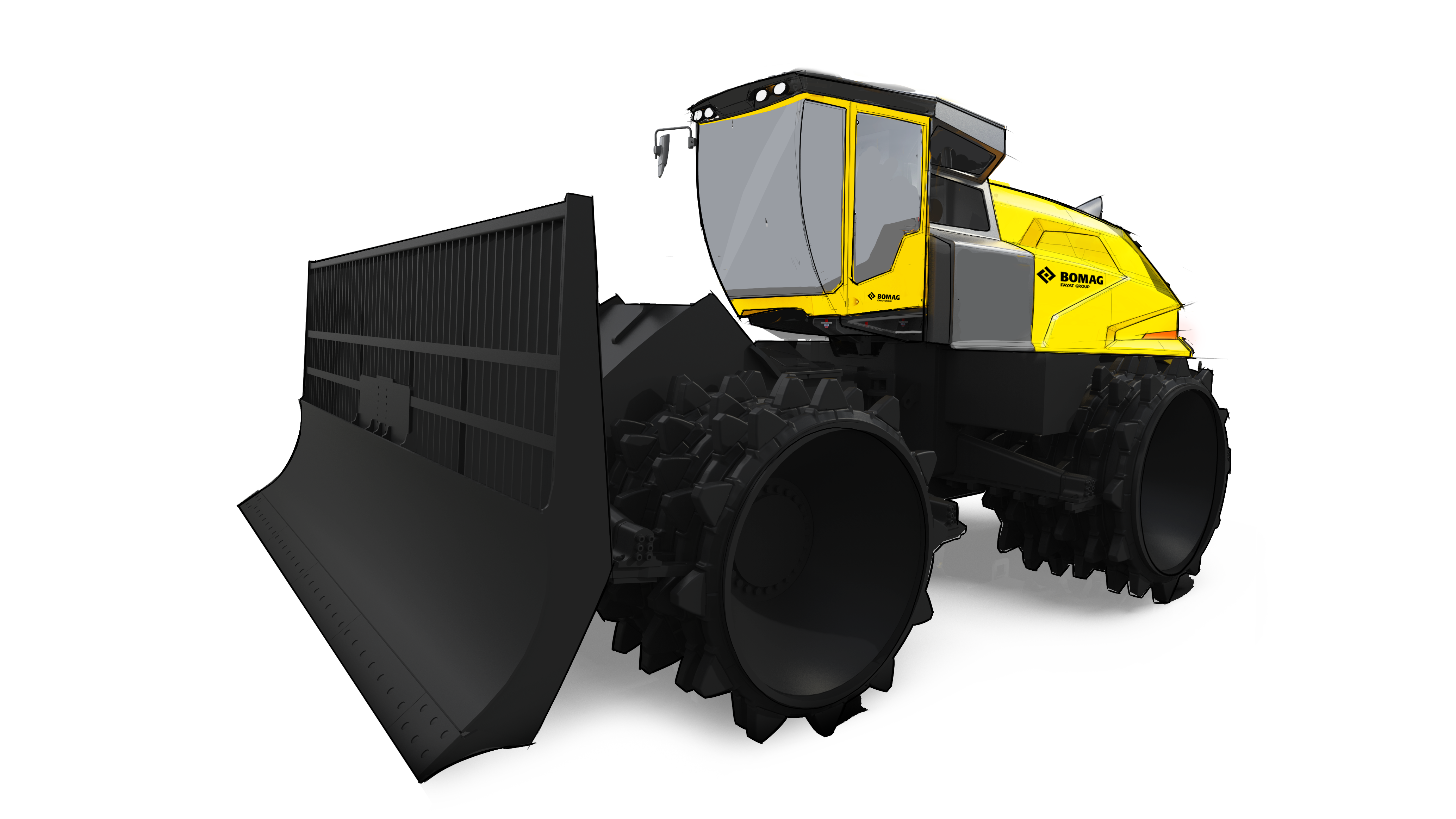
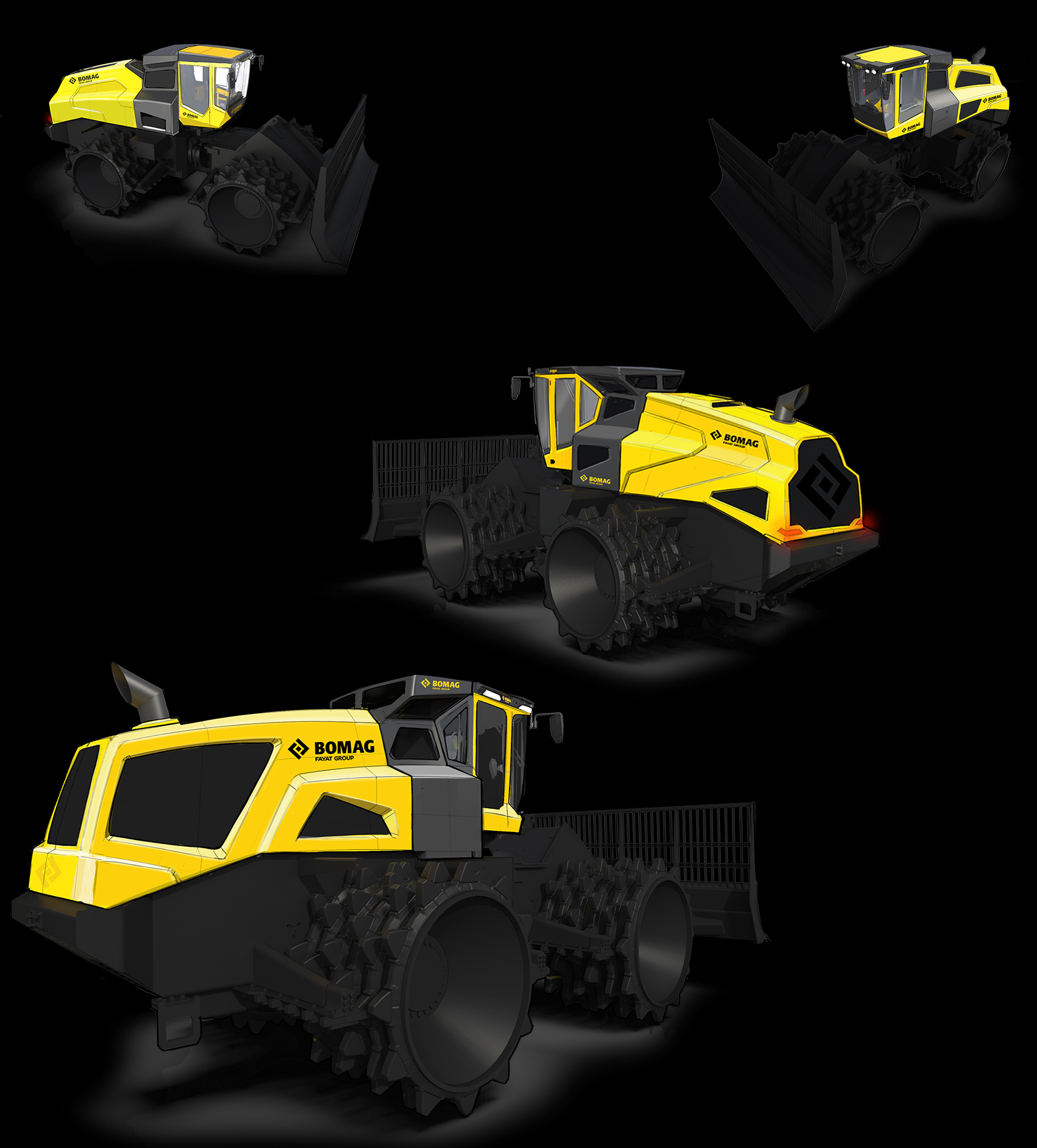
The goal is to generate CAD design data that is as close to the final construction data as possible.
3D MODELING
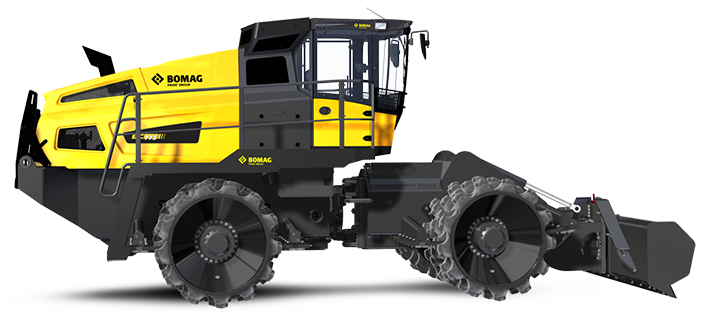
The development transformed an initial design idea into a highly refined product architecture characterised by complex surfaces, precise radii and dynamic surface transitions. Continuous refinement of geometric relationships, technical requirements and manufacturing constraints ensured that functional and formal considerations evolved into a coherent and fully integrated design solution.
ADDITONAL PARTS
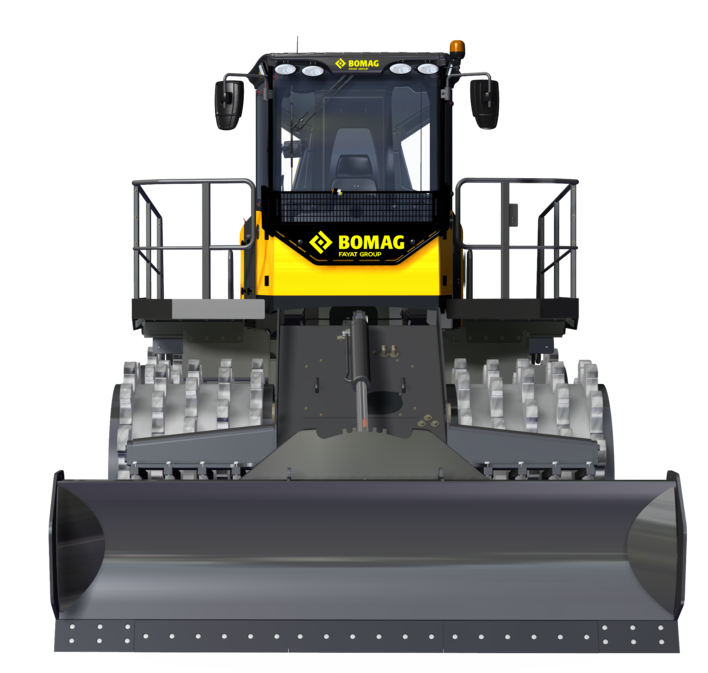
With the primary vehicle architecture established, the development concentrated on the integration of secondary functional components and interface elements. Particular attention was given to the relationship between safety-related structures, service access and overall product coherence. Elements such as the front lighting console, working platform, access system, impact protection and rear-view camera were developed as integral parts of the product architecture, ensuring that functional requirements, user interaction and visual consistency were resolved within a unified design language.
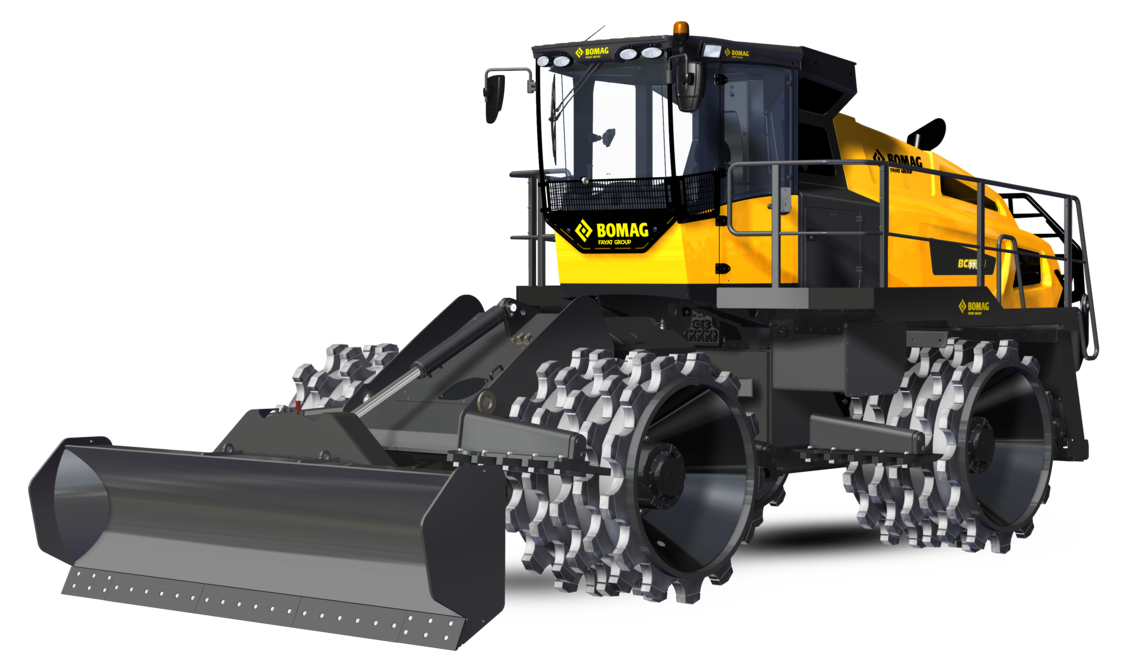
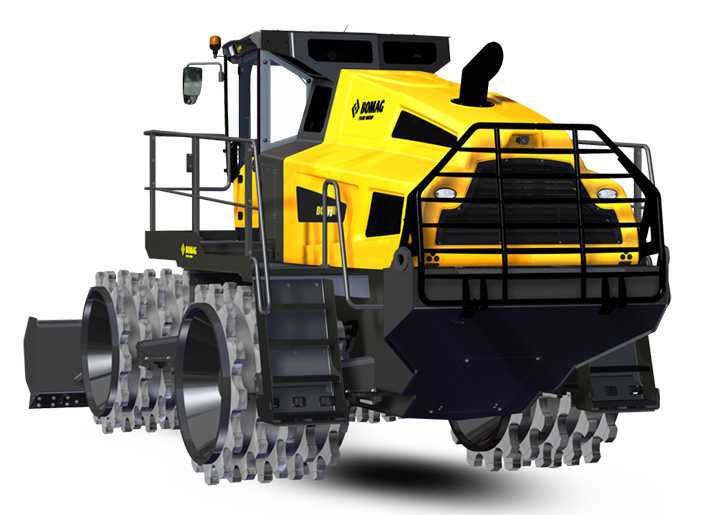
FINAL DESIGN
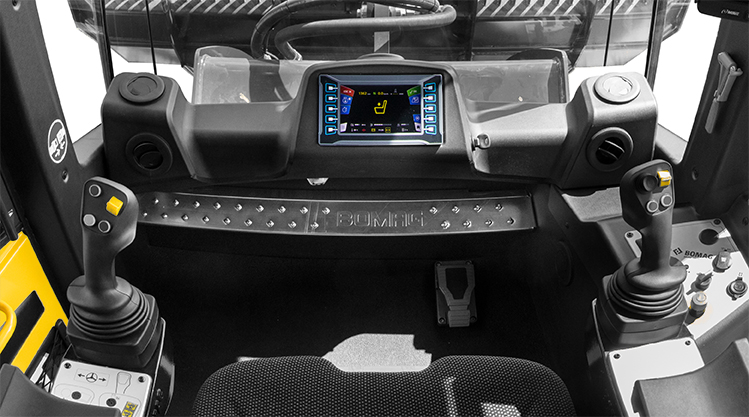
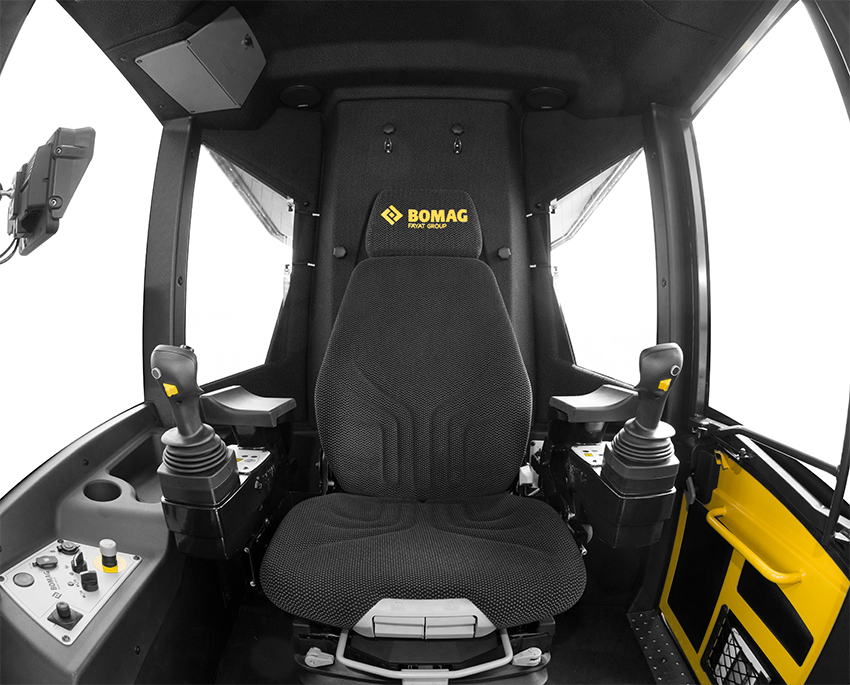
Exterior and interior design form an integrated system. Their coherence establishes a consistent user experience and reinforces the relationship between functionality, perception and product identity.
Phone
(+49) 160-5189458