
Bomag – BMP 8500
Bomag – BMP 8500
BRIEF
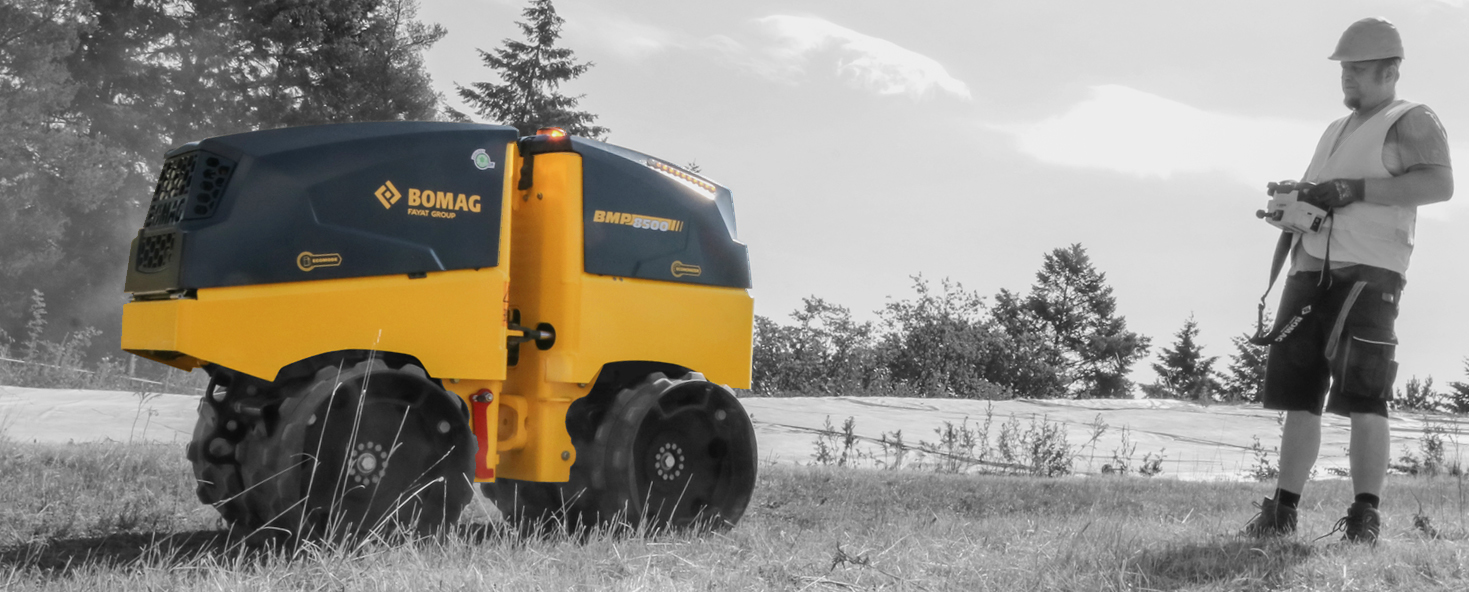
After 15 years in the BOMAG FAYAT GROUP product line, it was time to update the BMP 8500 trench roller. In addition to performance optimization, the new version of the machine should receive its own wireless remote control, which can be stored and charged in the machine, protected from the weather and theft.
The design objective was to create a trench roller whose appearance reflects the fundamental qualities of its intended use. Through its proportions, product architecture and visual language, the design should communicate robustness, power and operational reliability while providing a clear sense of orientation and functional logic. Embedded within the existing design DNA of the BOMAG FAYAT GROUP, the product should establish a strong relationship with the wider portfolio and contribute to a coherent and recognizable brand identity.
ANALYZE
The BOMAG trench roller is a „workhorse“. Built sleek and equipped with a powerful diesel engine, it is used where it is often too dangerous for workers to handle heavy equipment, such as in trench- and sewer-constructions. If the side walls of the ditch actually collapse, the machine is excellently protected with its high-impact resistant composite material.
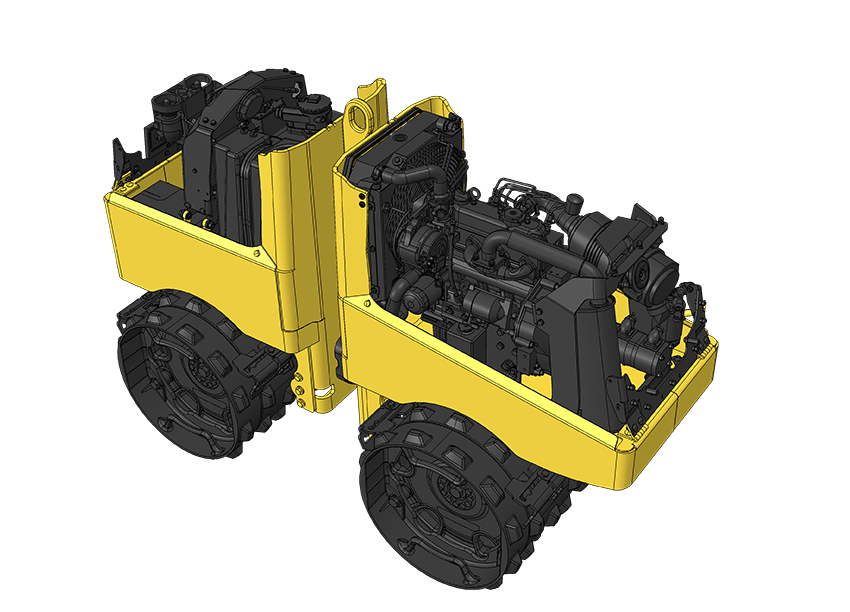
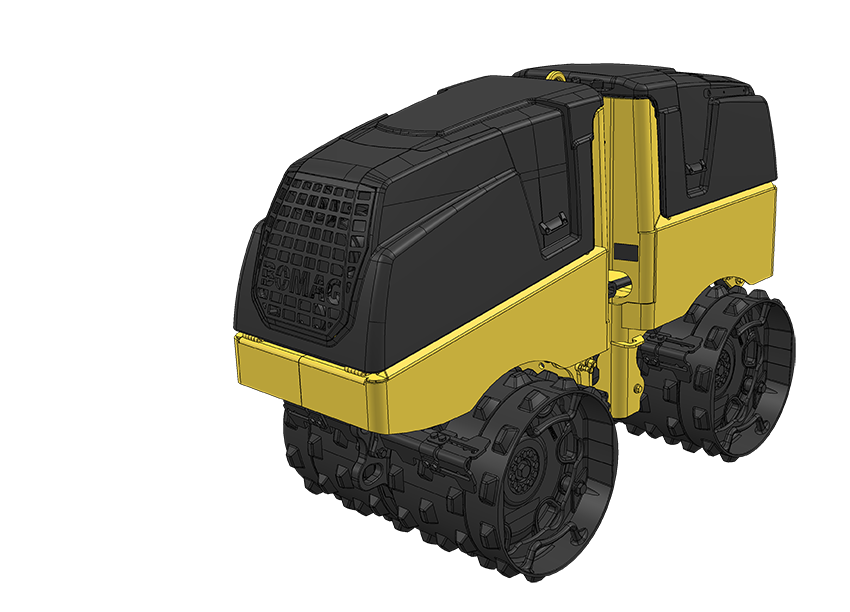
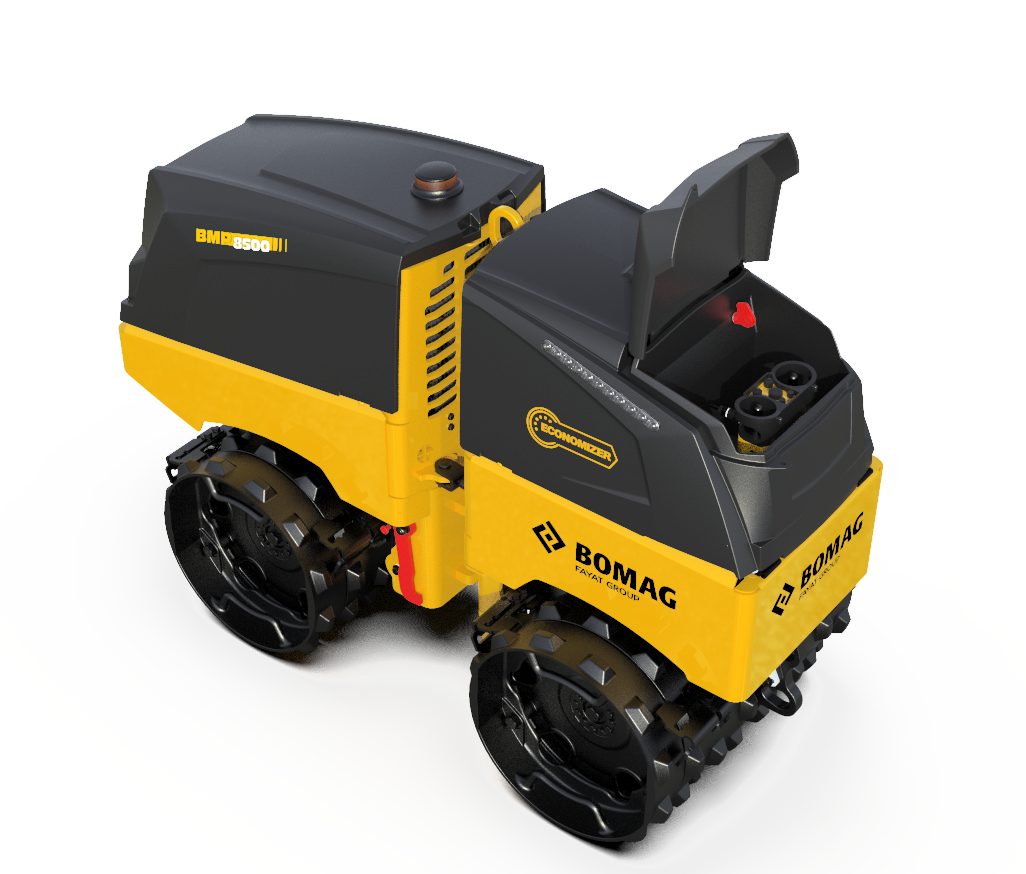
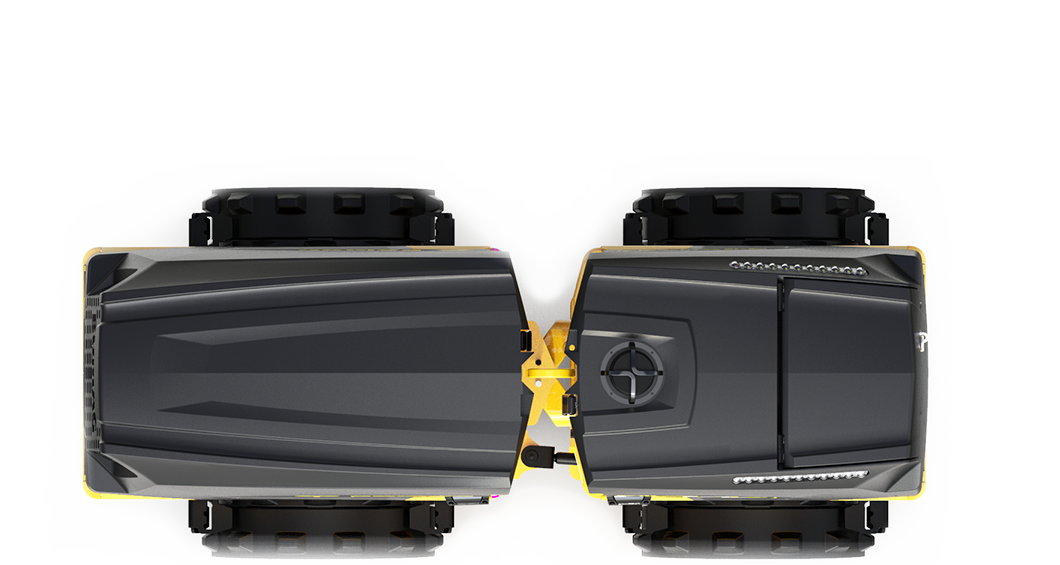
The basic design of the frame should remain unchanged, but the two hoods had to be completely reworked due to a larger diesel pump and the possibility of storing and charging the remote control in the machine.
IDEATION
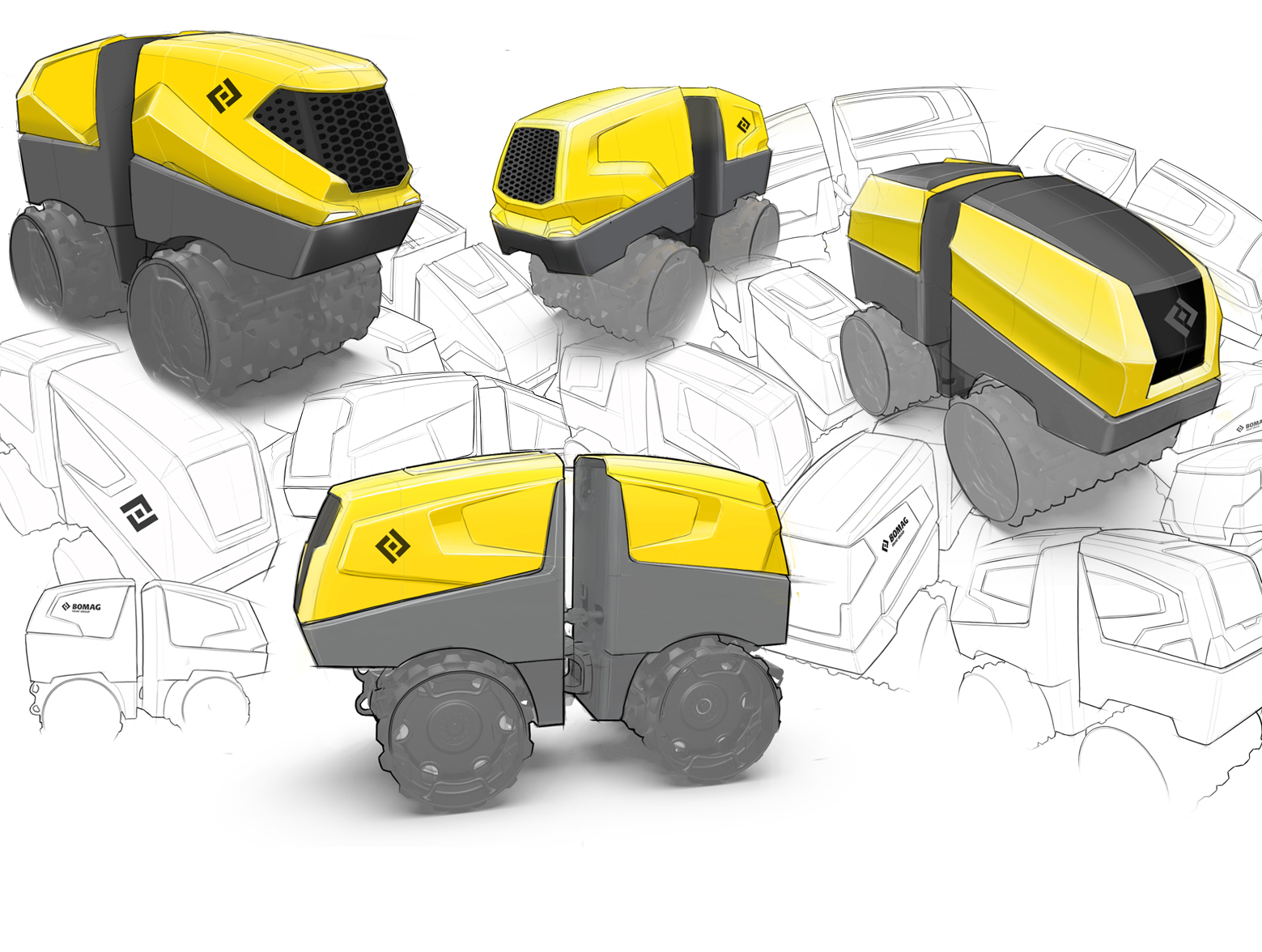
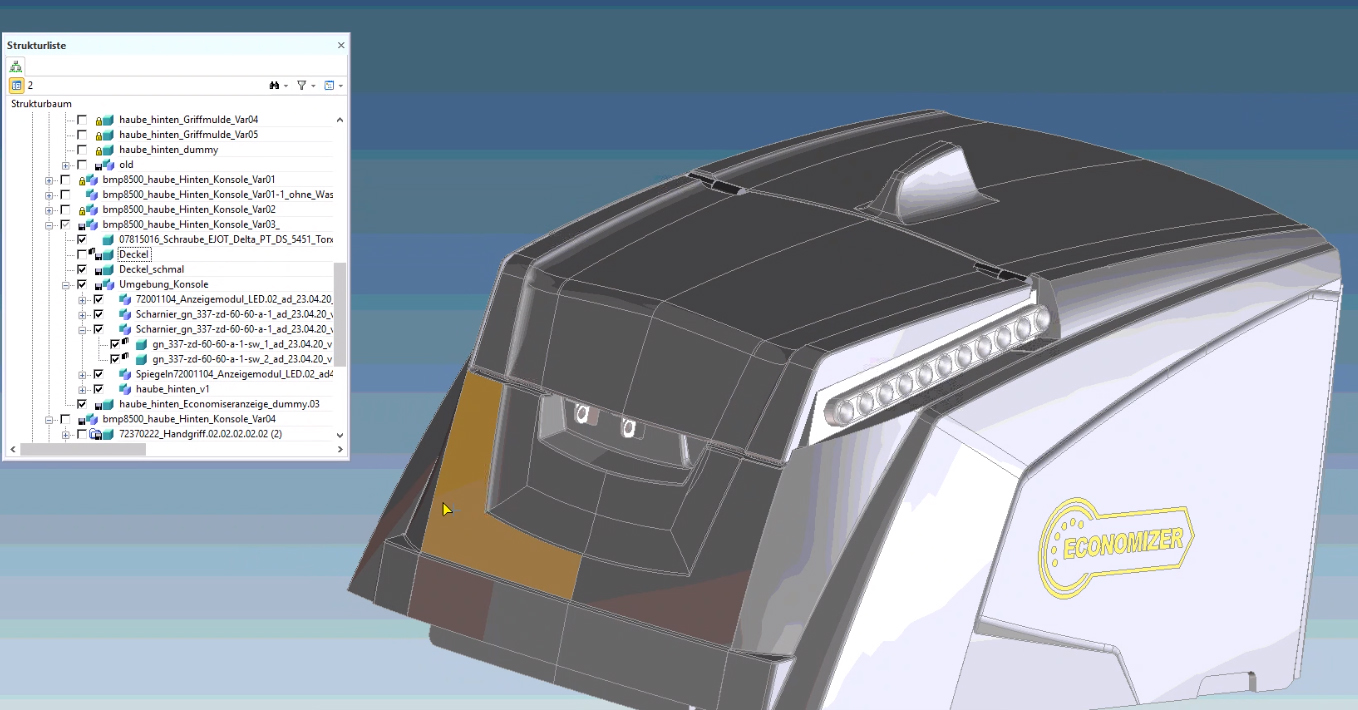
STEP BY STEP TOWARDS A DESIGN THAT WORKS
CAD MODELING
LIGHTNING
The idea of equipping the machine with worklights was also pursued. Many variants were created and evaluated for this purpose. In the end, the idea was rejected because of the costs.
DETAILING
INTAKE
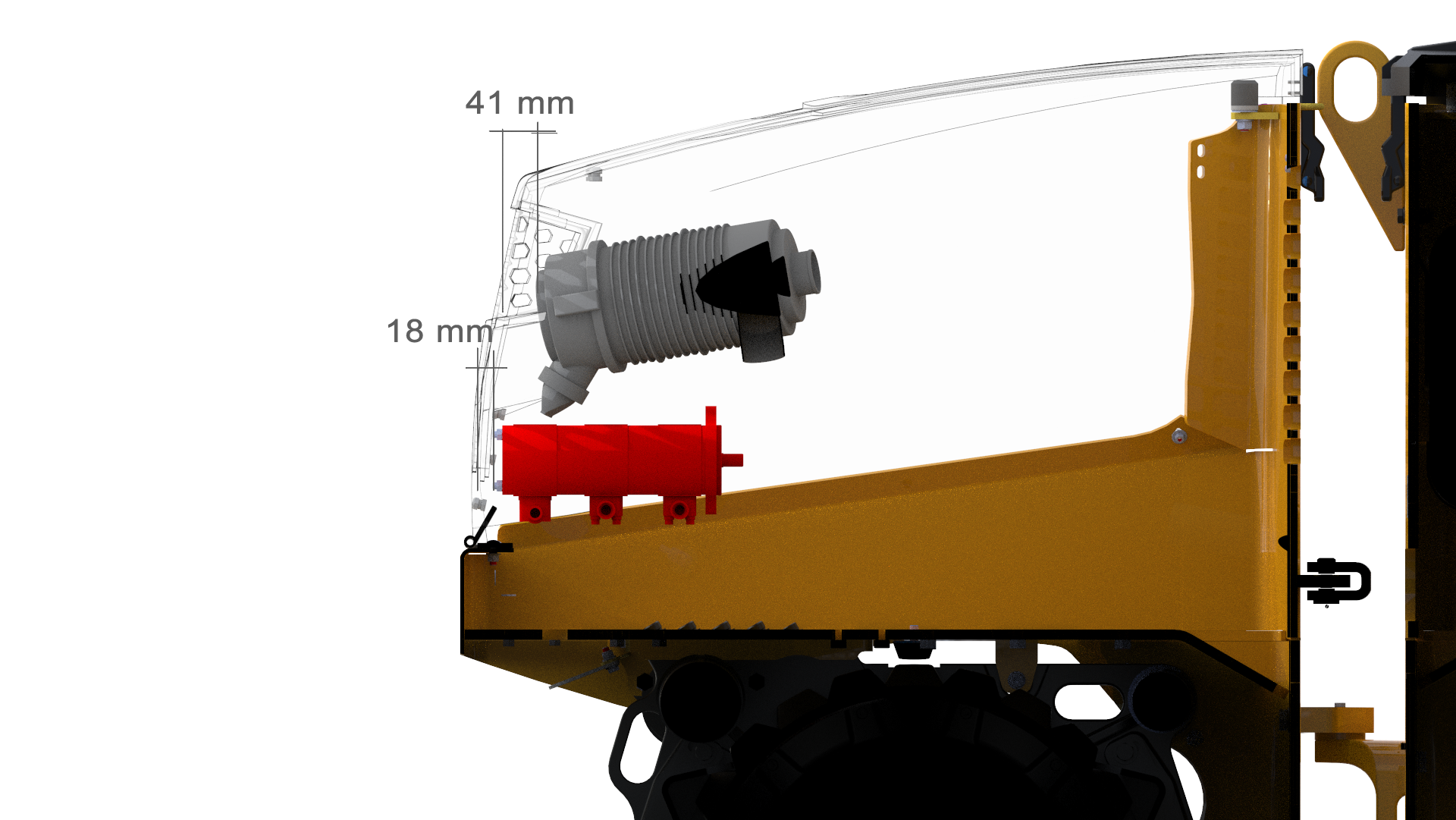
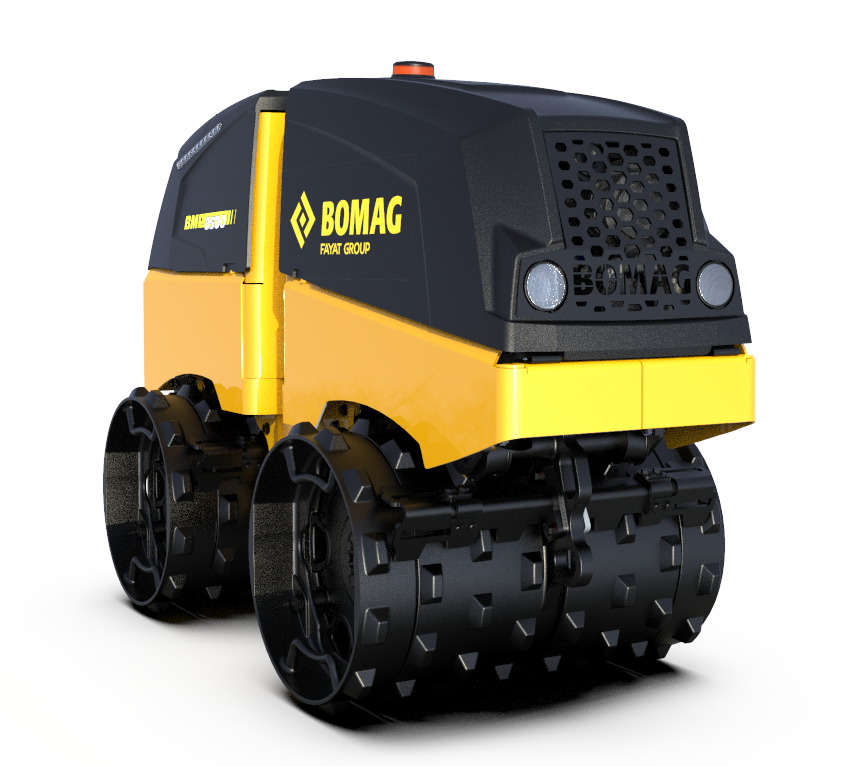
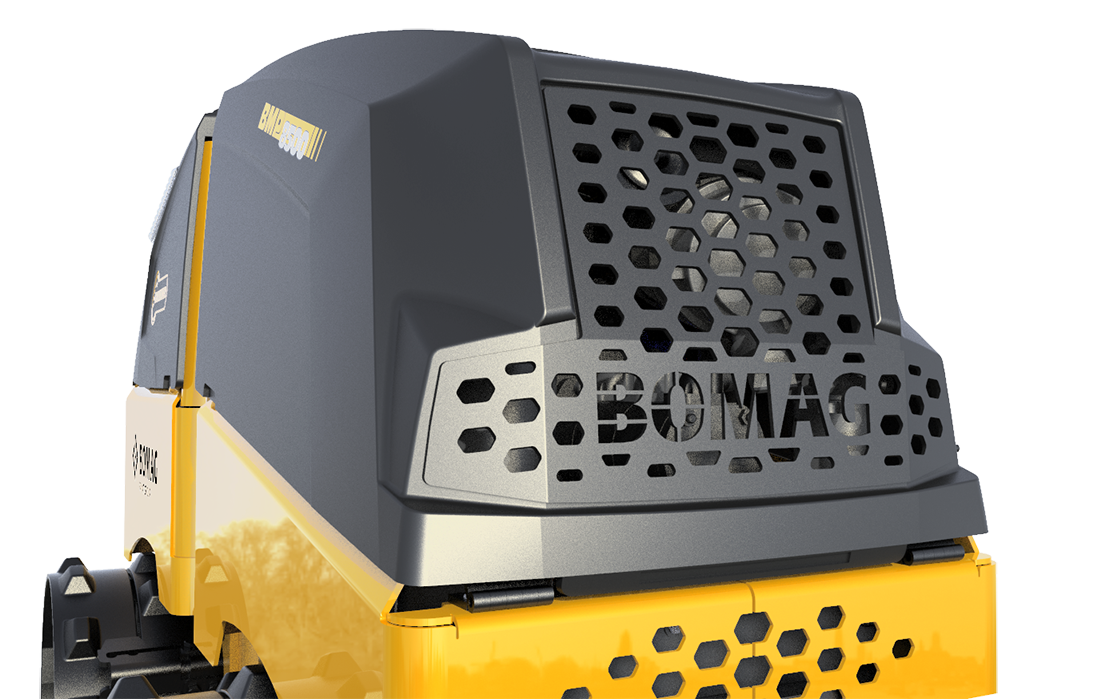
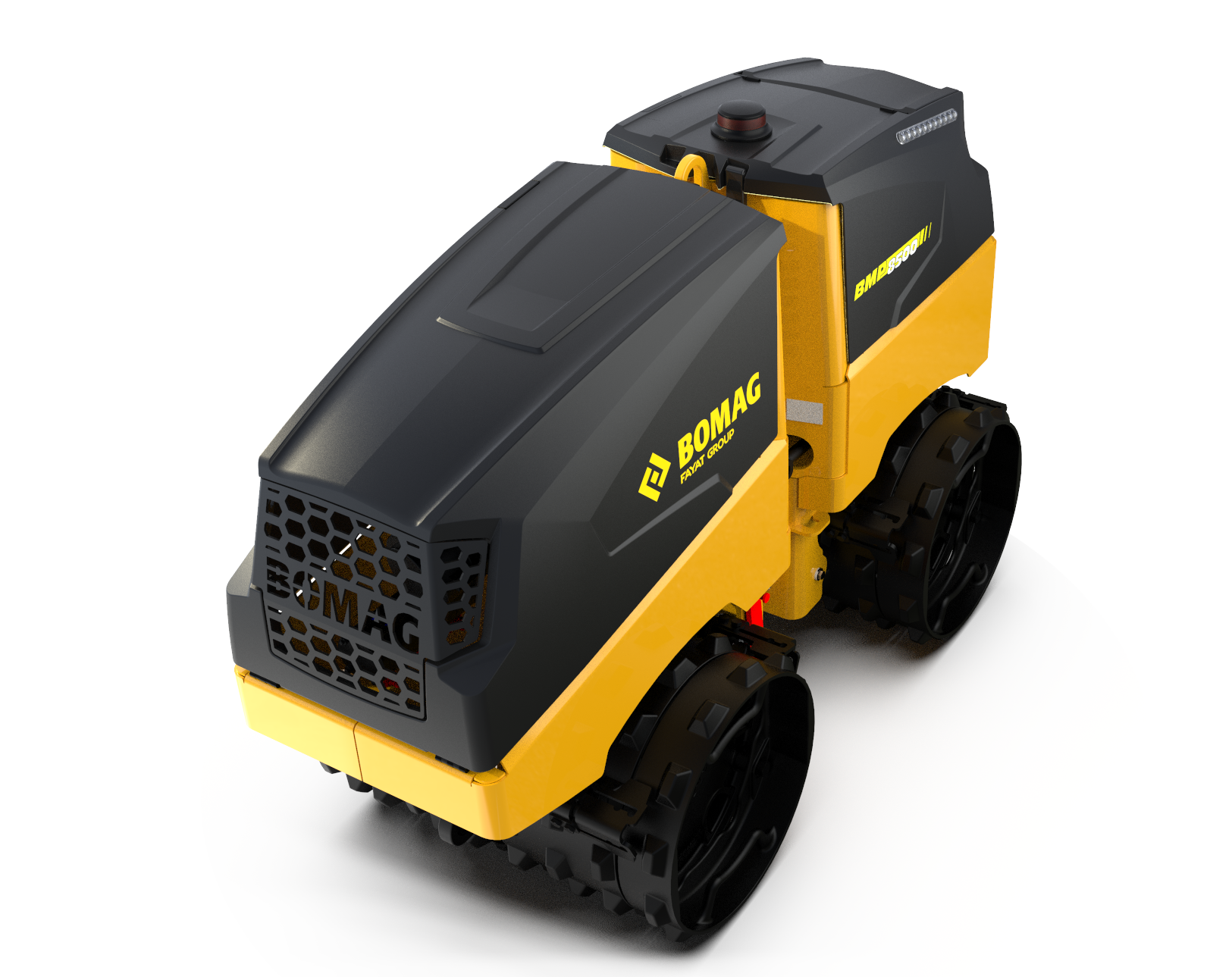
The ventilation area of the diesel engine became a defining element of the machine’s overall appearance. Its design was governed by a range of technical requirements, including sheet-metal construction, integration into the hood concept and the need to provide sufficient airflow for reliable engine cooling. The challenge lay in translating these functional and engineering constraints into a coherent design solution while maintaining consistency with the overall product architecture.
BONNET
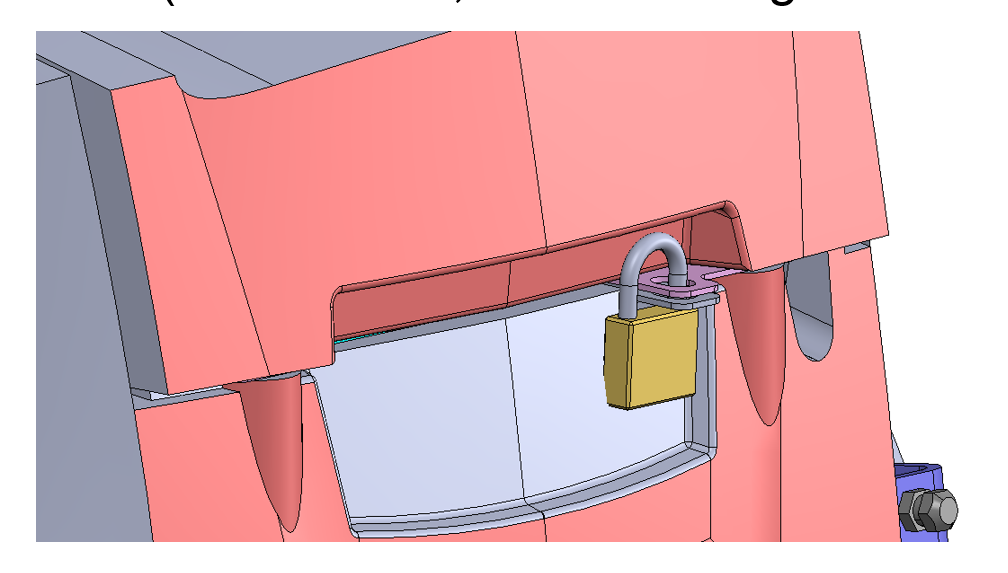
The integration of the remote-control compartment became a defining technical challenge of the project. The compartment had to be seamlessly incorporated into a one-piece hood concept while providing a 90-degree opening angle, reliable protection against water ingress and effective theft protection. Reconciling these requirements within a robust and manufacturable solution required close alignment between engineering, construction and product architecture.
FINAL DESIGN
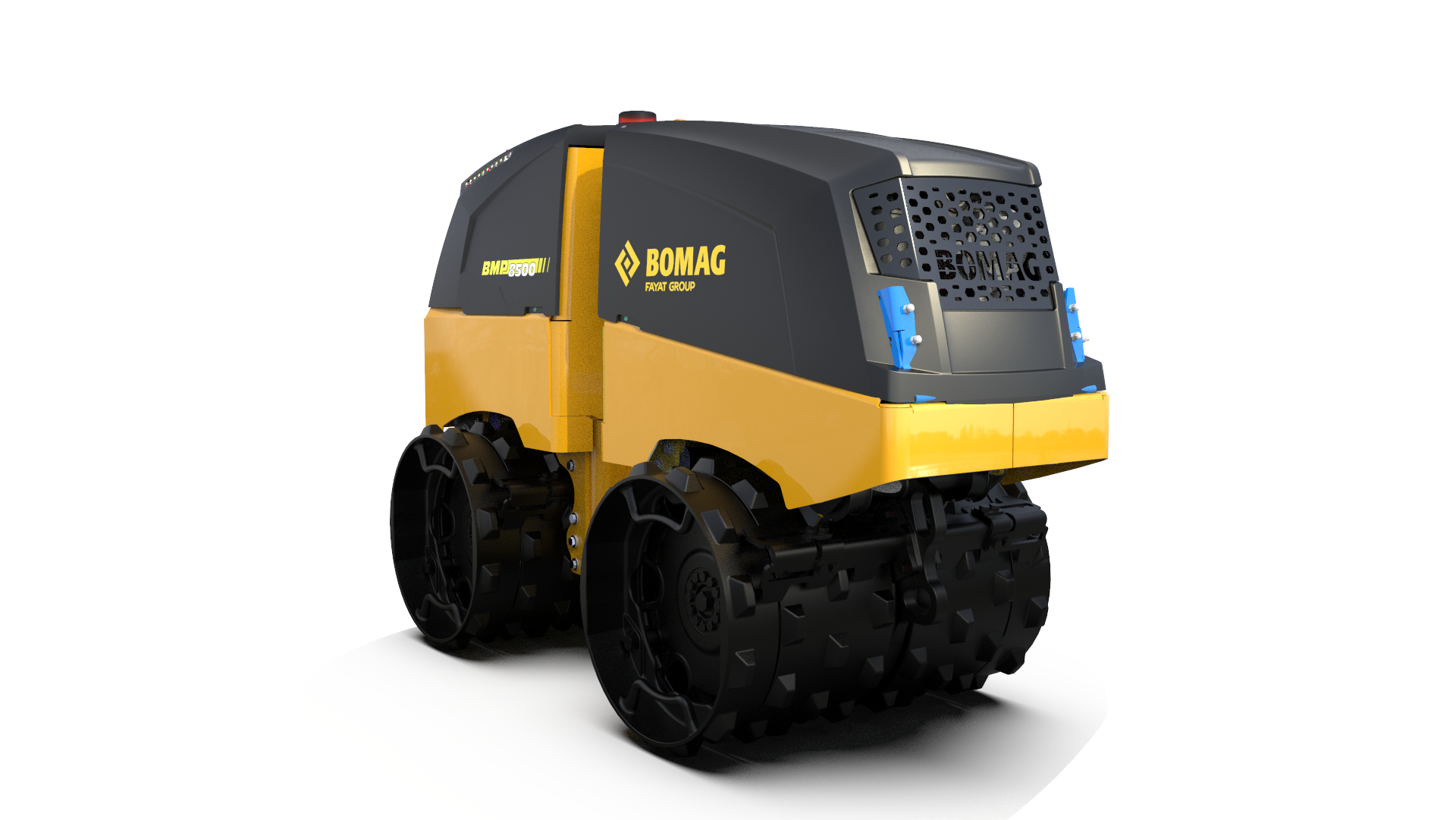
Finally, a machine was realized, that meets all requirements for functionality and design.
The formal language is defined by a deliberate interaction of inclined surfaces, sharp transitions and controlled surface offsets. These elements structure the product visually, communicate mechanical precision and contribute to a strong and robust appearance. The resulting interplay of light, shadow and proportion creates a dynamic expression while reinforcing the product’s intended character as a powerful and dependable machine.
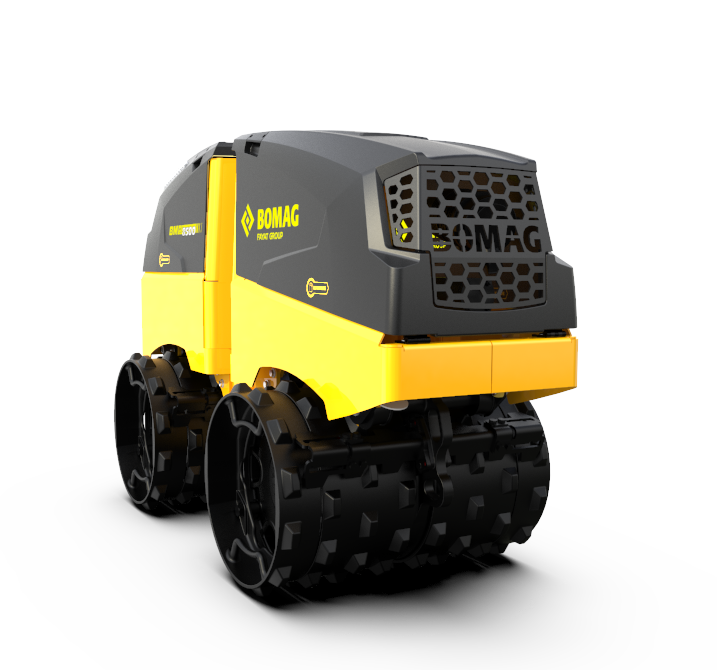
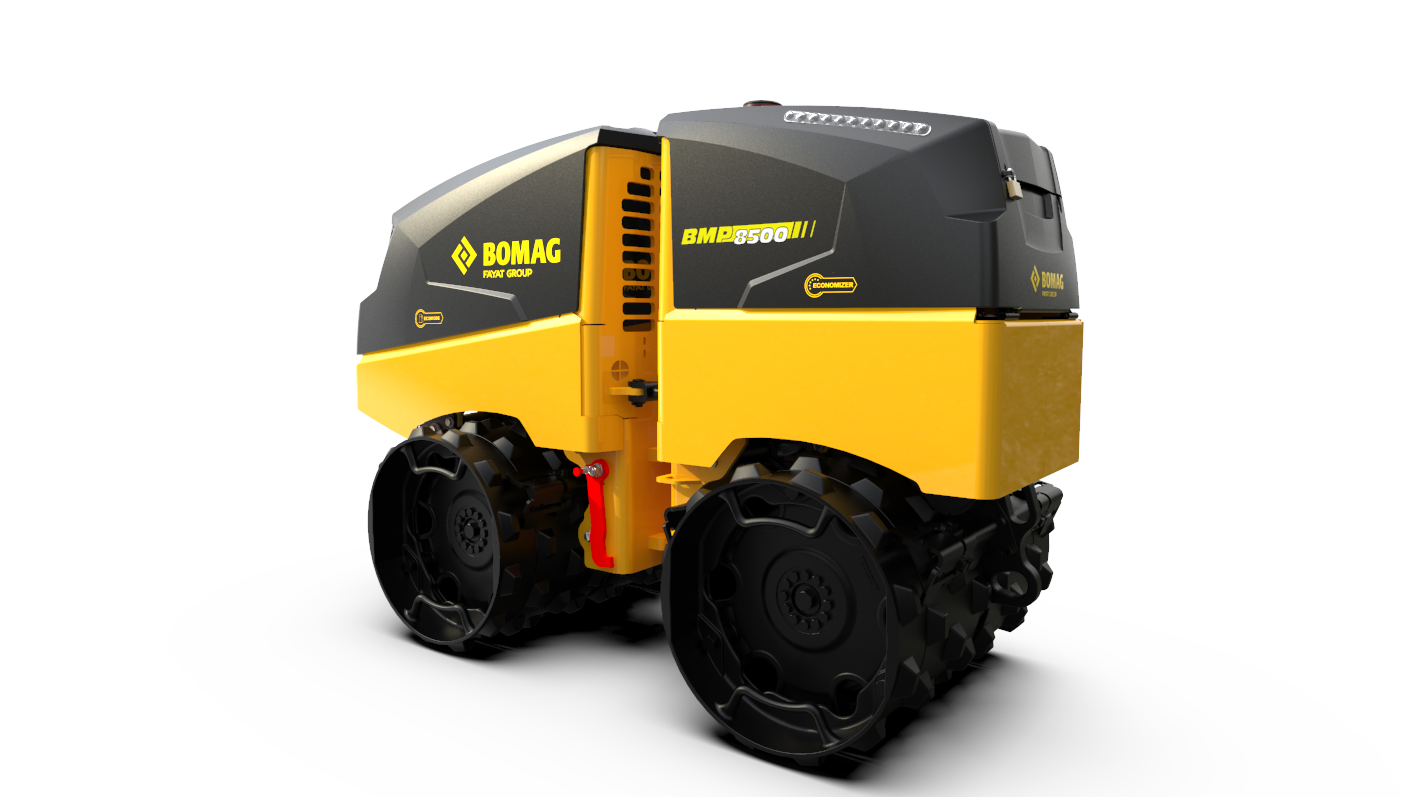
After more than three years of planning and construction, the BMP 8500 was finally completed in 2024 and was enthusiastically received by a large audience of experts a year later at BAUMA 2025.
Phone
(+49) 160-5189458